Published December 14, 2023
Category: Campervan Travel

Stealth Camping: Understanding the Practice, the Rules, and Better Alternatives

The phrase “stealth camping” has become increasingly common in conversations about campervans, road trips, and self-contained travel. Depending on who is using the term, it can mean anything from quietly spending the night in a vehicle to intentionally parking where overnight camping may not be permitted. Because the phrase is used in different ways, it can create confusion for new travelers, communities, public agencies, and anyone trying to understand responsible overnight travel.

For travelers researching campervans, the important question is not simply whether stealth camping is possible. The better question is where overnight stays are legal, safe, respectful, and appropriate. A well-equipped campervan can provide tremendous flexibility, but that flexibility is most valuable when used in places where travelers are welcome.

Experienced campervan travelers often find that the best trips do not come from trying to remain unnoticed. They come from having choices: campgrounds, public lands, host locations, state parks, national forests, and other legal overnight options that allow travelers to rest confidently and continue the journey without creating problems for others.

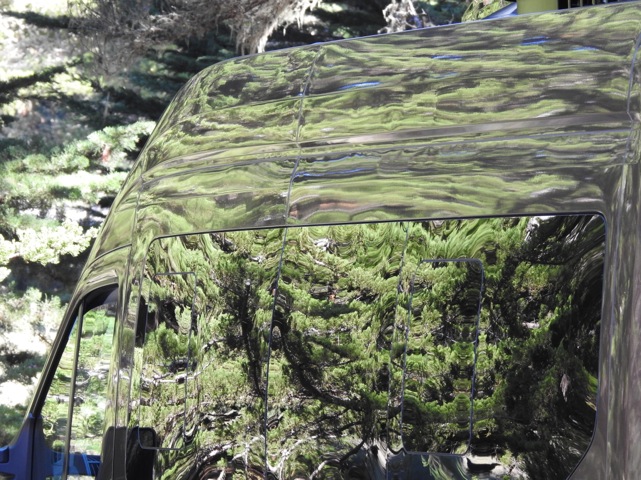
Stealth camper van concept showing discreet overnight parking


What Does Stealth Camping Really Mean?

Stealth camping generally refers to spending the night in a vehicle, tent, or simple overnight setup while attracting as little attention as possible. In campervan discussions, the term is often used to describe sleeping overnight in a self-contained vehicle outside of a traditional campground.

The challenge is that the term does not mean the same thing to everyone. Some travelers use it casually to describe quiet, low-impact overnight parking in a permitted location. Others use it to describe intentionally staying where overnight parking or camping is not allowed. Those are very different situations.

Quiet overnight parking in a legal location is not the same as ignoring posted rules. Dispersed camping on public land where it is allowed is not the same as staying overnight in a city lot that prohibits camping. Resting in a vehicle during a long drive is not the same as setting up camp where local ordinances forbid it.

Because the term is used so broadly, it is best to look beyond the label and focus on the real question: is the overnight stay legal, safe, respectful, and appropriate for the location?


Why the Term Means Different Things to Different People

For some travelers, “stealth camping” simply means being quiet, discreet, and low-impact. They may not intend to break rules or create concern. For others, the phrase implies staying overnight without permission or using public and private spaces in ways that were never intended for camping.

That difference is why the topic can be sensitive. Communities, law enforcement officers, park managers, business owners, and residents may view the term differently than travelers do. In some communities, problems such as litter, improper waste disposal, long-term vehicle occupation, and overnight parking in inappropriate locations have led to more visible restrictions. As a result, many municipalities now regulate overnight vehicle stays more closely than they once did.

This does not mean communities are against travelers. Many towns, parks, businesses, and public land areas welcome responsible visitors. The issue is usually not the traveler who arrives quietly, follows the rules, spends money locally, and leaves no trace. The concern is repeated misuse that affects residents, businesses, public spaces, and the long-term ability of others to travel responsibly.

That is why responsible campervan travel matters. Every overnight stay leaves an impression. A respectful traveler helps preserve access. A careless traveler can contribute to restrictions that affect everyone.


Legal Overnight Parking Is Not the Same as Stealth Camping

One of the most important distinctions is the difference between legal overnight parking and stealth camping as the term is often criticized. Legal overnight parking means a location allows vehicles to remain overnight, either by posted policy, owner permission, public land rules, campground registration, or local regulation.

In many places, overnight parking may be allowed while camping behavior is not. That means a traveler may be permitted to park and rest, but not to set out chairs, awnings, grills, leveling blocks, or other items that turn a parking space into a campsite. Understanding that difference helps preserve access and avoids unnecessary conflict.

Before staying overnight, it is wise to ask a few basic questions. Is overnight parking allowed here? Is camping prohibited by sign or ordinance? Is this public land, private property, or a business lot? Is permission required? Would my presence create concern for residents, customers, property owners, or law enforcement?

If the answer is unclear, the better choice is to move on and find a location where overnight stays are known to be permitted.


Dispersed Camping Is Different

Dispersed camping is often confused with stealth camping, but it is a different concept. Dispersed camping generally refers to camping outside of developed campgrounds on public lands where that use is permitted, such as certain national forest or Bureau of Land Management areas. Rules vary by agency, region, road, season, fire condition, and land designation.

When dispersed camping is legal, it can be one of the most rewarding ways to enjoy quiet public lands. It can also be one of the most responsible alternatives to questionable overnight parking, provided travelers follow the rules. Stay limits, fire restrictions, road-use rules, food storage requirements, waste disposal practices, and Leave No Trace principles all matter.

The difference is permission. Dispersed camping, when allowed, is a legitimate public land use. Parking overnight where camping is prohibited is not. Responsible travelers understand the difference and plan accordingly.


Better Alternatives for Responsible Travelers

The good news is that travelers do not need to rely on questionable overnight locations to enjoy the flexibility of campervan travel. Across the United States and Canada, there are thousands of legal and welcoming places to spend the night.

National parks, state parks, county parks, Corps of Engineers campgrounds, national forest campgrounds, municipal campgrounds, private campgrounds, and public lands that allow dispersed camping can all provide legitimate overnight options. Some cities and towns also offer designated overnight parking areas for travelers, especially in regions that value road tourism.

Membership-based overnight programs, farm stays, winery stays, and other host-based options can also provide memorable experiences when used respectfully and according to each host’s rules. These locations often offer something better than merely remaining unnoticed: a safe place to rest, a sense of welcome, and sometimes a connection to local people, food, farms, wineries, museums, or small businesses.

One of the greatest advantages of a self-contained campervan is the freedom to choose from legal overnight opportunities—from state parks and national forest campgrounds to scenic public lands, host locations, and other places that welcome travelers. A campervan expands your options. It does not require you to park where you are not welcome.


Why Self-Contained Travel Matters

A self-contained campervan gives travelers flexibility because it reduces dependence on hotels, restaurants, electrical hookups, and rigid schedules. That flexibility is valuable when used responsibly. It allows travelers to stay in campgrounds without full hookups, enjoy public lands where overnight stays are permitted, prepare simple meals, keep food refrigerated, and rest comfortably during road trips.

This is where off-grid capability matters. Off-grid capability is not the same thing as stealth camping. It refers to a vehicle’s ability to support travel without needing to plug into shore power. A well-designed electrical system can operate essential equipment such as lighting, refrigeration, device charging, and other basic travel needs in appropriate overnight locations.

As outlined in how the Mini-T Campervan electrical system works, quiet self-contained operation can make travel easier without relying on generators or campground hookups. The goal is not to hide. The goal is to travel comfortably, efficiently, and respectfully where overnight stays are allowed.


The Role of a Compact Campervan

A compact campervan can make responsible travel easier because it fits naturally into more places than a large RV. It is easier to drive, easier to park, and less intrusive in many travel settings. That can be helpful at established campgrounds, public recreation areas, trailheads, ferry terminals, scenic towns, and designated overnight locations.

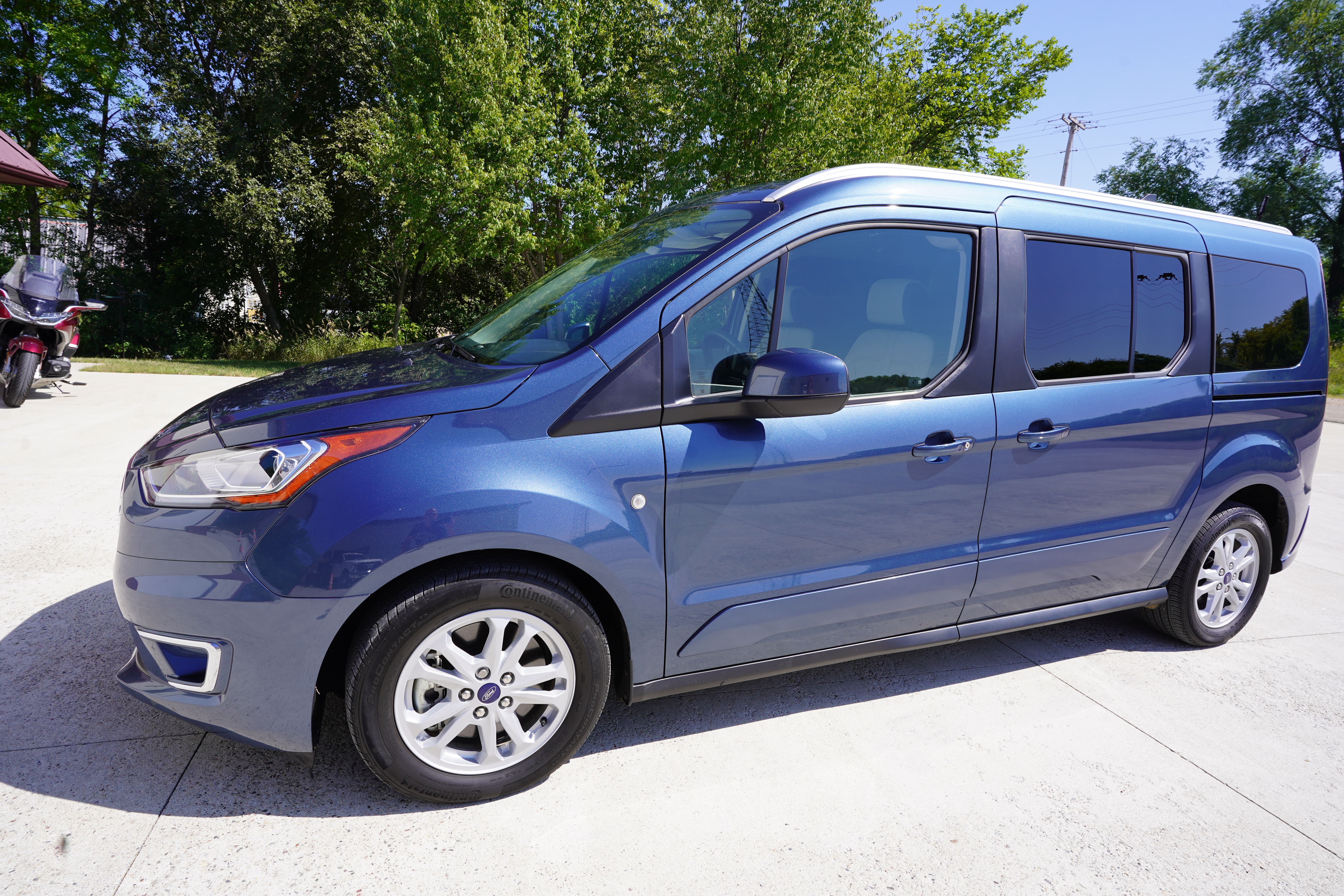
The Mini-T Campervan is designed with this practical style of travel in mind. Manufactured in Minnesota with nationwide delivery available, the Mini-T combines compact dimensions with a thoughtfully designed campervan interior and an integrated electrical system for simple, quiet travel.

That does not mean a campervan should be used anywhere without regard for rules. It means travelers can enjoy greater flexibility while still choosing appropriate places to stay. A compact, self-contained campervan works best when paired with good judgment.

Mini-T Campervan used for legal campground and off-grid travel


How Experienced Travelers Think About Overnight Stops

Experienced campervan travelers tend to think about overnight stops before the end of the day. They look for places where overnight parking or camping is clearly allowed. They consider access, safety, nearby services, local rules, road conditions, weather, and whether their presence is appropriate for the setting.

They avoid blocking access, taking up excessive space, creating noise, displaying outdoor camping setups where inappropriate, or drawing attention in residential or restricted areas. They understand that a quiet night’s rest should not create a burden for the people who live, work, or manage the area.

When in doubt, they ask permission, check local rules, call ahead, use established campgrounds, or choose public lands where overnight use is clearly permitted. The small effort required to verify a location is far better than being asked to move in the middle of the night or contributing to restrictions that affect future travelers.


Leave No Trace Still Applies

Whether staying in a developed campground, a public land dispersed site, or a designated overnight parking area, the basic principles of responsible travel remain the same. Leave no trash. Dispose of waste properly. Respect quiet hours. Avoid damaging vegetation. Keep food secured. Do not dump anything on the ground. Respect wildlife. Be considerate of other visitors and nearby residents.

Campervan travelers should be especially mindful because the small size and flexibility of a van can make it easy to reach places that are not designed for heavy use. The easier it is to travel, the more important it becomes to use that freedom carefully.

The best travelers leave a place looking exactly as they found it—and often better. That approach protects access, preserves goodwill, and supports the long-term future of road-based travel.


Why Communities Set Overnight Parking Rules

It is easy for travelers to become frustrated by overnight parking restrictions, but those rules often exist for practical reasons. Communities may be trying to manage limited parking, protect residential neighborhoods, reduce litter, address safety concerns, prevent long-term vehicle habitation in public spaces, or avoid conflicts between visitors and local businesses.

Understanding those concerns does not mean every rule is perfect. It simply helps travelers see the issue from the community’s perspective. A town that welcomes visitors during the day may still need to manage where people sleep overnight. A business that allows customers to park may not want its lot used as a campground. A scenic area may need restrictions to protect the land from overuse.

Responsible travelers do not view these rules as obstacles to defeat. They view them as part of traveling respectfully. When travelers support communities that welcome overnight visitors and respect those that do not, the entire campervan community benefits.


The Freedom Comes From Choice

One misconception about stealth camping is that staying hidden is the goal. For many experienced travelers, that is not the goal at all. The real goal is freedom of movement: the ability to travel without being fully dependent on hotels, electrical hookups, or large RV parks.

That freedom comes from having choices. A self-contained campervan allows travelers to use established campgrounds, simple public land campsites, legal overnight parking areas, host-based stays, and other appropriate locations. It gives travelers flexibility without needing to push boundaries or park where they are not welcome.

A compact campervan is not about hiding. It is about staying flexible.

The freedom comes from knowing that you have options—places where you are welcome, where you can relax, and where you can enjoy the journey with confidence.


Travel Responsibly, Travel Confidently

The appeal of flexible travel is easy to understand. Campervans make it possible to explore more places, travel at a relaxed pace, prepare simple meals, rest between destinations, and keep the essentials close at hand. But the most rewarding campervan experiences come from using that flexibility responsibly.

Stealth camping may be a popular search term, but it is not the best foundation for long-term, respectful travel. A better approach is to understand the rules, choose legal overnight locations, support communities that welcome travelers, and protect the public lands and scenic places that make road travel worthwhile.

With the right setup, travelers do not need to rely on questionable or restricted locations to enjoy the benefits of campervan travel. A well-designed campervan allows you to stay comfortable almost anywhere overnight parking or camping is permitted, letting you focus on the journey itself—where you are going, what you are seeing, and how thoughtfully you choose to experience it.

In the end, the best campervan travel is not about remaining unnoticed. It is about remaining free to travel responsibly, respectfully, and at your own pace.

Happy Camping!

View current Mini-T Campervan inventory here

DLM-Distribution / Campervans is a licensed manufacturer and dealer located in Lake Crystal, Minnesota, serving clients around the country.

Contact Dave: 651-285-7089 or Candy: 507-382-9446 today!

```