
Following the Seasons by Campervan: A Different Approach to Seasonal Living
There is a reason so many travelers organize part of their year around the seasons. Winter can be easier near the desert or the Gulf Coast. Summer invites travel toward the mountains, northern forests, and Great Lakes. Autumn brings color to New England and the Upper Midwest, while spring opens another collection of places before the busiest summer travel season begins.
Traditionally, seasonal living has often meant maintaining two residences and traveling between them at roughly the same time every year. But that is not the only way to follow the seasons. For travelers who value mobility more than having another fixed address, a small campervan offers an entirely different approach. Instead of simply traveling from one home to another, the journey itself can become part of the season.
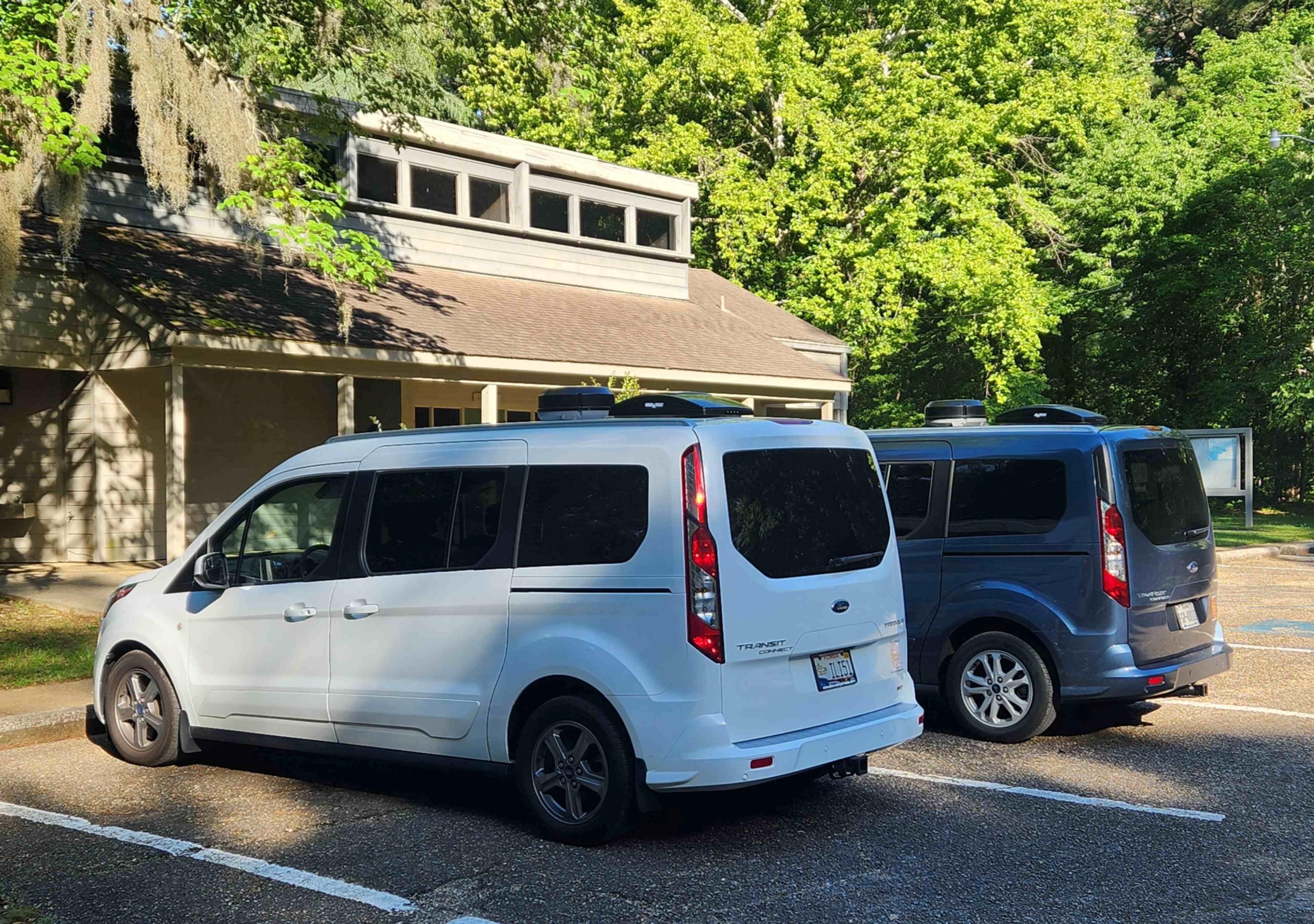
Seasonal Living Doesn't Require a Second Address
A winter residence in Florida or Arizona can be wonderful, but ownership also brings another set of responsibilities. There are property expenses, maintenance, insurance, utilities, security, and the simple reality of caring for a home that may sit unused for much of the year. For some people, those tradeoffs are well worth it. Others eventually realize that what they really wanted was not necessarily another house, but the ability to spend part of the year somewhere warmer.
A campervan approaches the same goal from another direction. Rather than committing each season to one destination, travelers can move as slowly or as frequently as they like. A month near the Gulf Coast might be followed by time in the Southwest. Spring could bring a gradual trip north, with stops determined by weather, interests, family visits, or simply curiosity.
The result is less about establishing another home and more about having the freedom to decide where you would like to spend your time.
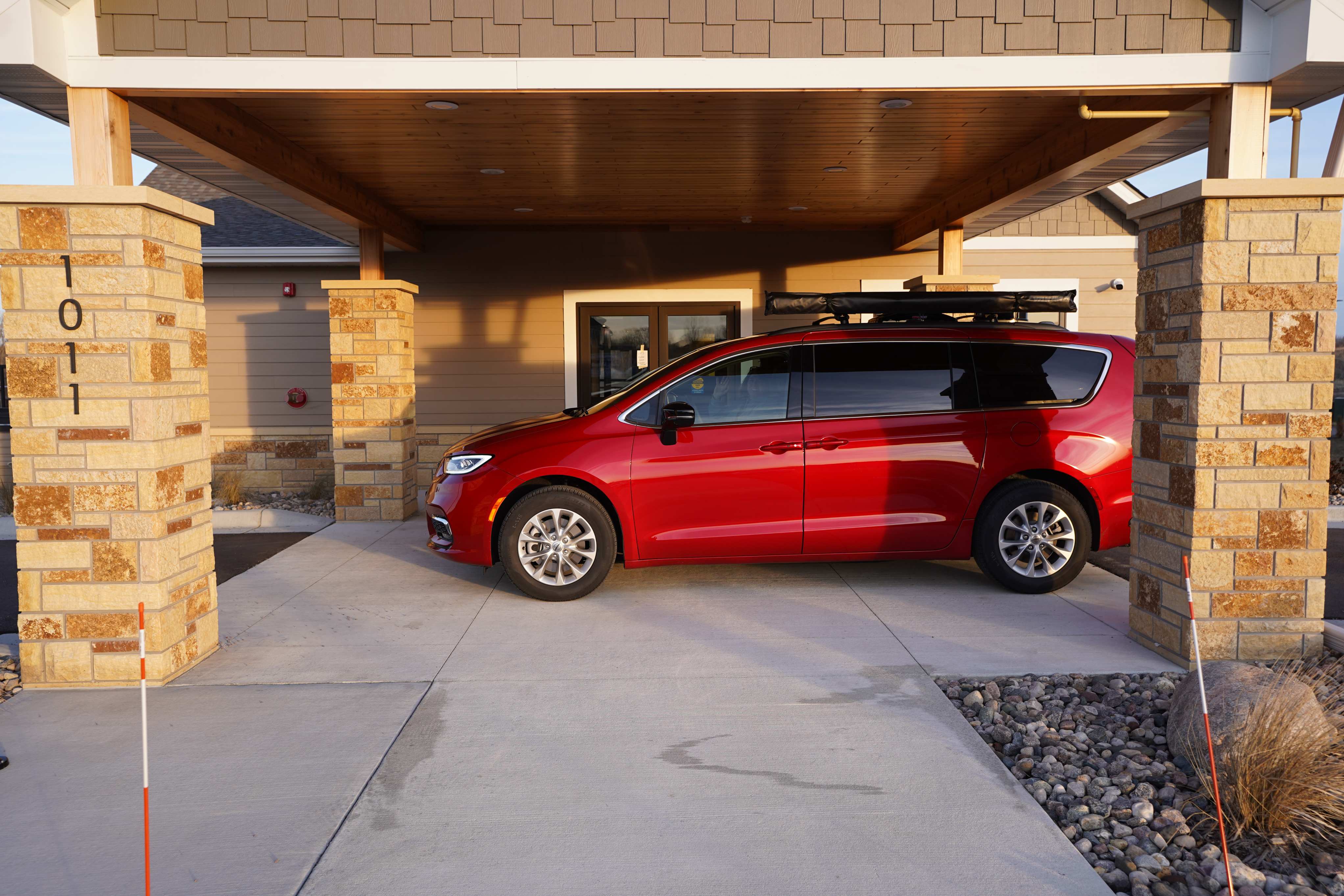
One Vehicle for the Journey and Everyday Life
Seasonal travel becomes considerably simpler when the vehicle used to reach a destination also works well after arriving. This is one of the practical differences between a smaller campervan and a much larger motorhome.
A Mini-T Campervan is manufactured to serve both roles. It can cover long highway distances, provide sleeping and camping conveniences along the way, and still function as everyday transportation once you reach an area where you plan to stay for a while. There is no separate tow vehicle to manage and no need to leave a large motorhome at a campsite simply because you want to visit a restaurant, grocery store, trailhead, or nearby town.
That flexibility can change the rhythm of a trip. Instead of treating the miles between two homes as distance that simply needs to be covered, travelers can stop when something looks interesting, stay longer when they find a place they enjoy, and continue when they are ready.
Following Comfortable Weather Instead of the Calendar
One of the pleasures of traveling seasonally is that the calendar can become a guide rather than a deadline. There is no need to arrive in one particular city on the first day of winter or head north simply because spring has officially begun.
Weather can help determine the route. If temperatures remain pleasant along the Gulf Coast, stay another week. If spring arrives early farther north, begin moving that direction. Autumn might be followed through several states rather than experienced from a single location.
This slower style of travel can reveal places that are easy to miss on a conventional vacation. State parks, national forests, scenic highways, small towns, lakeshores, historic sites, and local campgrounds become part of the journey rather than places passed on the way to a final destination.
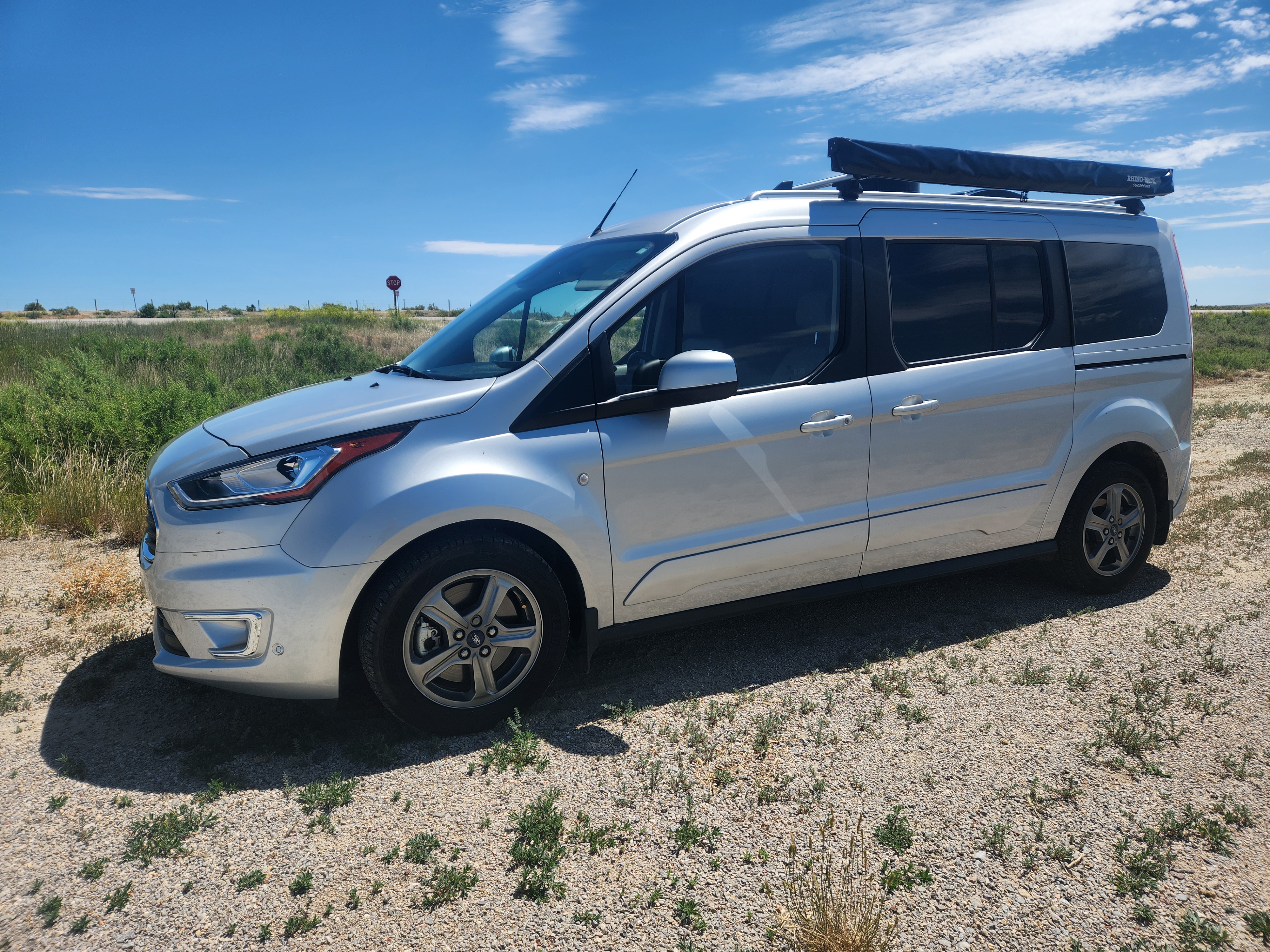
Let the Parks Become Part of the Route
America's public lands make this kind of travel particularly interesting because many destinations take on completely different personalities throughout the year. A national park visited during the busy summer season can feel like an entirely different place during a quieter shoulder season.
Rather than trying to build one enormous vacation around a list of famous destinations, travelers can connect parks and landscapes gradually. A few days near one park might lead to a scenic route toward another, with smaller public lands and communities discovered in between.
There is also freedom in not having to turn every stop into a major event. Sometimes an overnight stay near a lake, a morning hike, or an unexpectedly beautiful drive becomes as memorable as the destination that originally appeared on the itinerary.
Travel Doesn't Have to Mean Camping Every Night
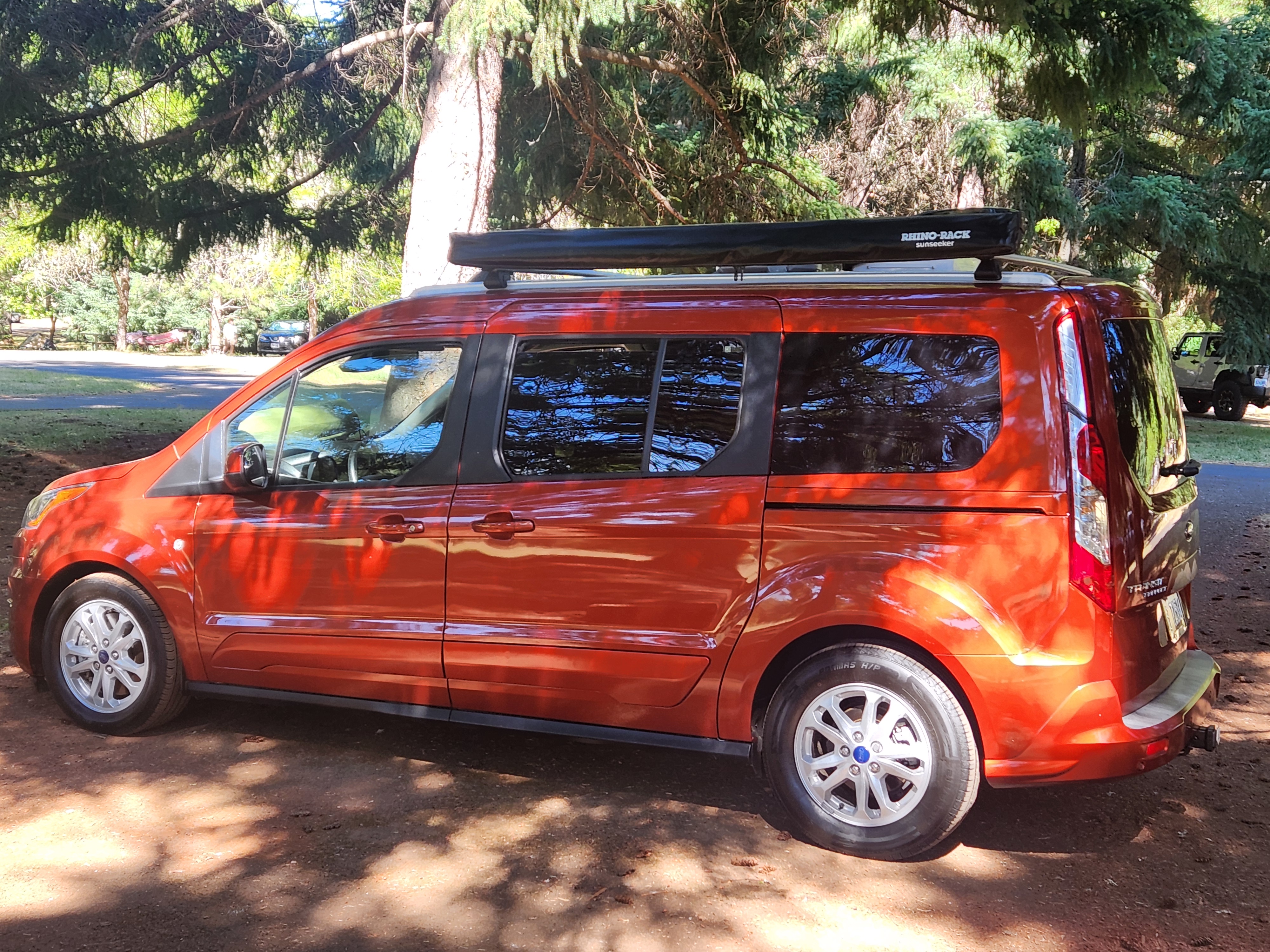
Campervan travel does not require committing to one particular style of overnight accommodation. Some travelers enjoy campgrounds nearly every night. Others mix camping with visits to family and friends, occasional hotels, or longer stays at one destination.
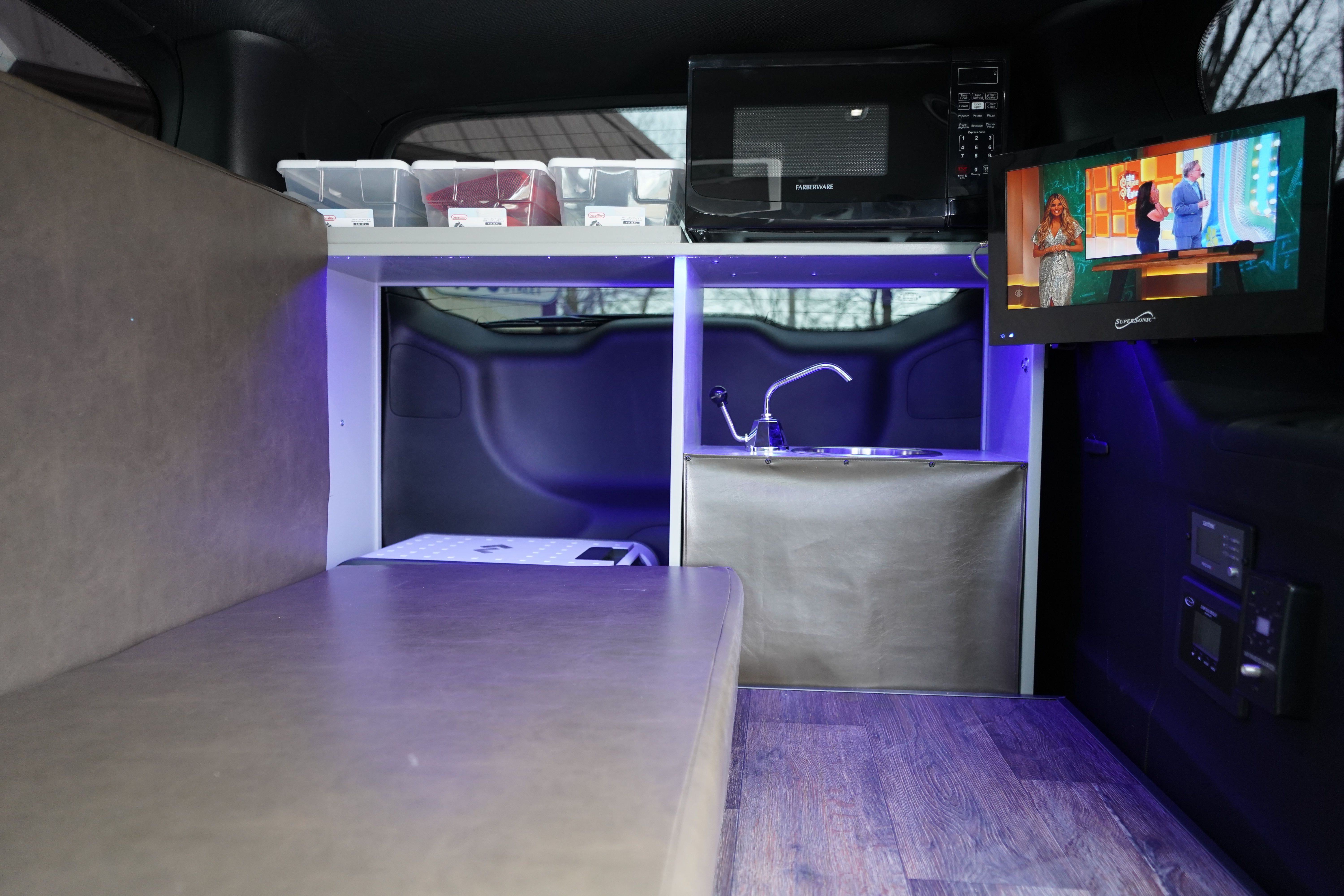
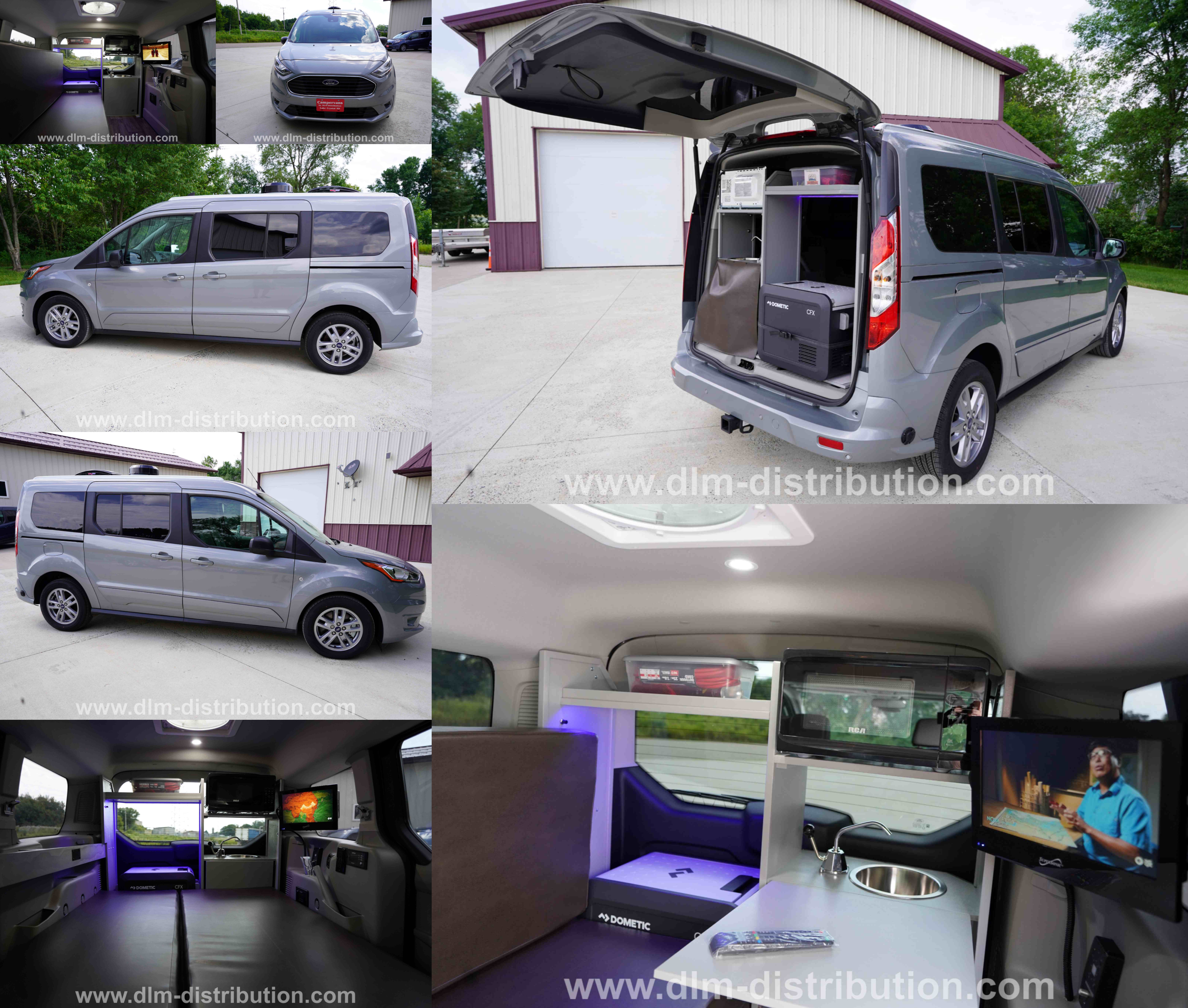
That flexibility can be especially useful on extended trips. Having a bed, refrigerator, microwave, electrical system, storage, and other travel conveniences available in the vehicle provides options without dictating how every day must unfold.
You might spend several nights at a favorite campground, visit friends for a week, use a hotel during particularly severe weather, and then return to camping as the journey continues. Through all of it, the campervan remains useful because it is everyday transportation as well as a place to stay.
Off-Grid Capability Adds Another Kind of Flexibility
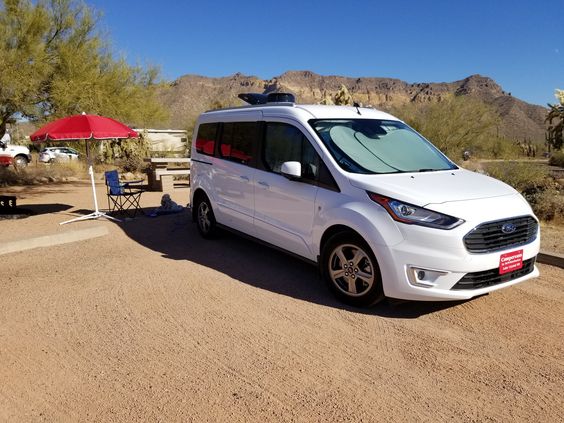
Seasonal travel becomes easier when every overnight stop does not depend on electrical hookups. The Mini-T Campervan uses a dedicated house electrical system with battery storage, rooftop solar, charging while driving, shore power capability, and a pure sine wave inverter. Solar can contribute whenever suitable sunlight reaches the rooftop panels, whether the campervan is parked or traveling, while vehicle charging provides another source of energy on driving days.
The purpose is not to avoid campgrounds or shore power. It is to give travelers choices. A campsite without electrical service can still be useful, and a travel day does not necessarily have to end wherever an electrical hookup happens to be available.
That distinction becomes increasingly valuable during a trip measured in weeks or months rather than days. Good seasonal travel is often less about following a rigid itinerary and more about having enough flexibility to change it.
Think About the Months Between the Big Trips
One of the most practical questions when considering any RV is what happens when you are not traveling. A large motorhome may require dedicated outdoor or commercial storage. A smaller campervan can fit much more naturally into ordinary life.
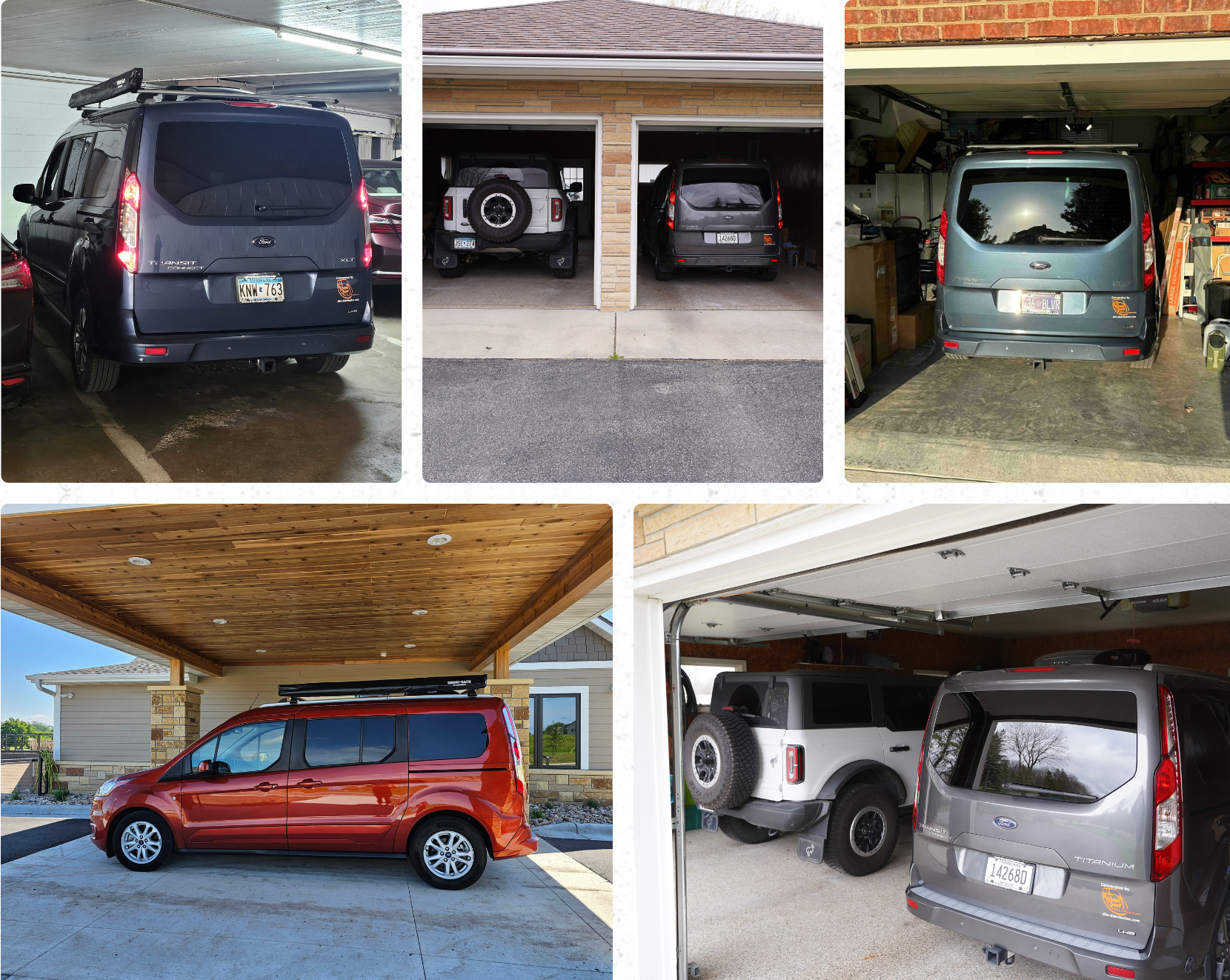
Depending on the Mini-T model and the dimensions of the garage, garageability can allow the campervan to be stored at home rather than at an RV storage facility. Community and HOA rules still vary and should always be checked, but being able to park an RV inside a residential garage can remove one of the common complications associated with RV ownership.
Just as importantly, a campervan that is easy to keep at home is easy to use. It does not need to wait for the next cross-country seasonal journey. It can be available for weekend trips, family visits, local events, state parks, or an unplanned overnight whenever an opportunity appears.
The Economics of Following the Seasons
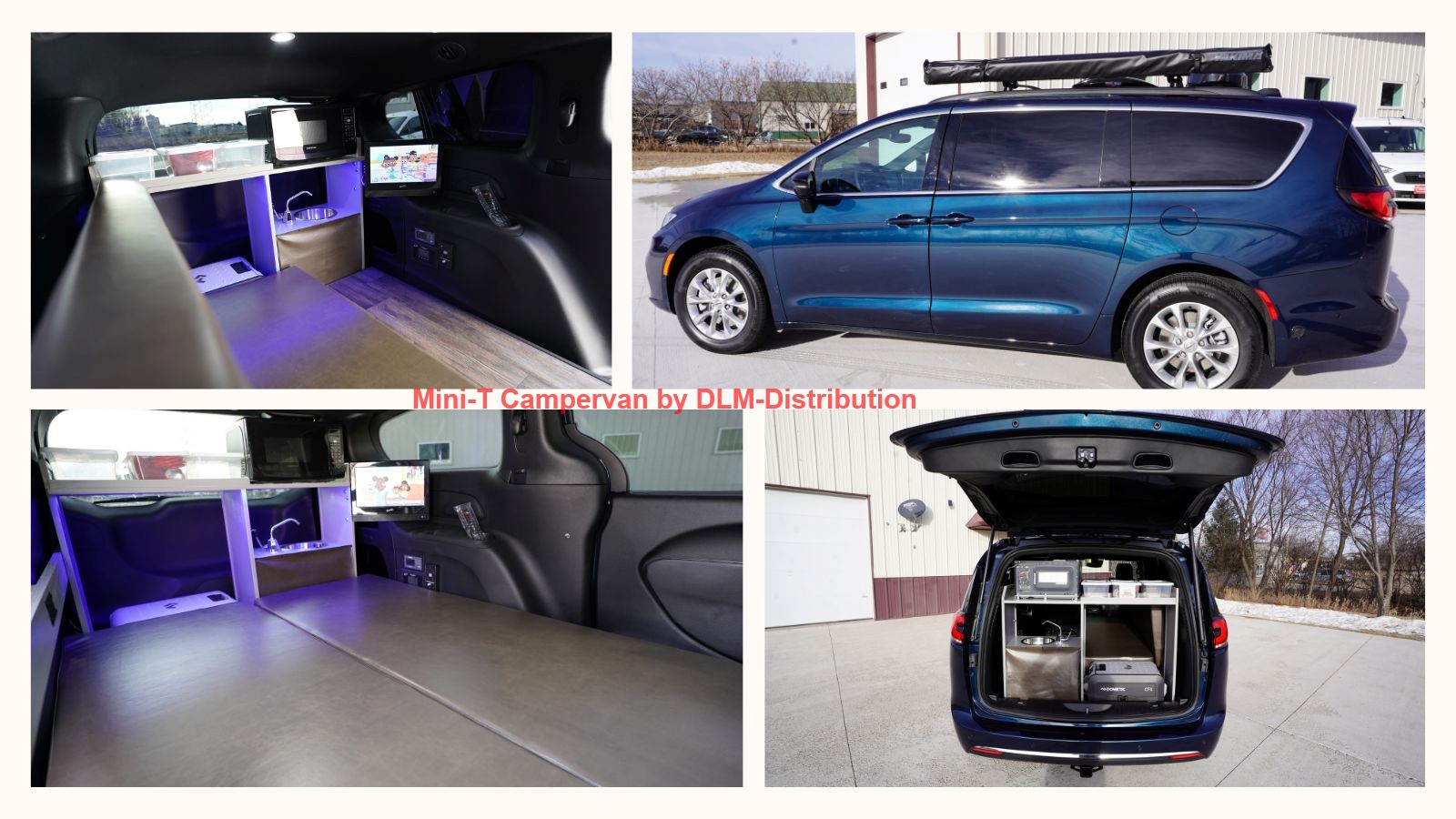
There is no universal formula showing that campervan travel costs less than maintaining a seasonal residence. Much depends on how frequently you travel, where you stay, how far you drive, and what alternatives you are comparing. But the economics are worth considering because a campervan can combine transportation, travel, and overnight accommodations in a single vehicle.
Instead of maintaining another property solely to have a place in a preferred climate, some travelers would rather put those resources toward the journey itself. Fuel, campsites, park fees, occasional hotels, and meals become part of an experience that can change from year to year rather than tying every season to the same location.
Fuel economy also matters when seasonal travel involves thousands of highway miles. Smaller campervans generally use less fuel than large motorhomes, which can make exploring along the way more practical and make an interesting detour easier to justify.
Your Seasonal Residence Can Still Be Part of the Story
Of course, many travelers already own and love a seasonal home. Campervan travel does not have to replace it. In that situation, the seasonal residence can become a base from which an entirely new collection of shorter trips begins.
A winter home in the South might put beaches, state parks, national seashores, historic towns, wildlife areas, and neighboring states within an easy day's drive. Instead of spending the entire season in one community, the campervan can make it simple to leave for a night or two, explore somewhere new, and return home when the trip is finished.
That can be an especially appealing option for people who eventually decide to fly between their northern and southern homes rather than make the same long drive twice each year. The campervan can remain at one residence as everyday transportation while preserving the ability to explore the surrounding region whenever the opportunity appears.
A Seasonal Lifestyle Doesn't Have to Stay in One Place
Following the seasons can mean many things. For one traveler it may be several months at the same winter home every year. For another, it might mean moving gradually between favorite regions. Some may spend weeks in campgrounds, while others combine camping with hotels, friends, family, and longer stays along the way.
There is no need to create another definition of how seasonal travel is supposed to work. The value is having enough flexibility to build the year around the places, weather, people, and experiences that matter to you.
A Mini-T Campervan does not have to become a home on wheels to make that possible. Sometimes its most useful role is much simpler: it is the vehicle that connects one season to the next while giving you the freedom to discover what is along the way.
Happy Travels!
DLM-Distribution / Campervans is a licensed manufacturer and dealer located in Lake Crystal, Minnesota, serving clients around the country.
Contact Dave: 651-285-7089 or Candy: 507-382-9446 today!