
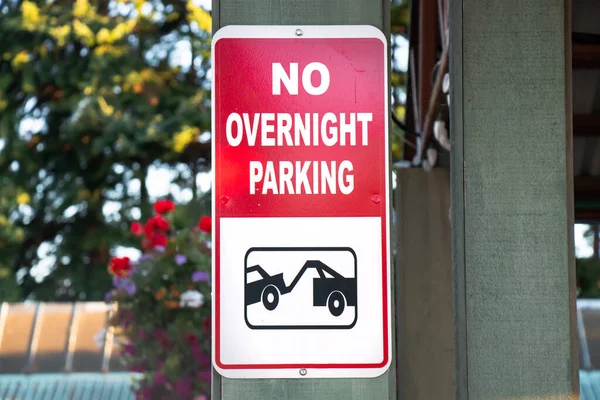
Places to Avoid When Parking Overnight in an RV or Campervan
Knowing where not to park overnight is just as important as knowing where you can. Local laws, safety concerns, and respect for surrounding communities should always guide overnight parking decisions. The following locations are commonly restricted, unsafe, or inappropriate for overnight RV or campervan parking.
Residential Streets
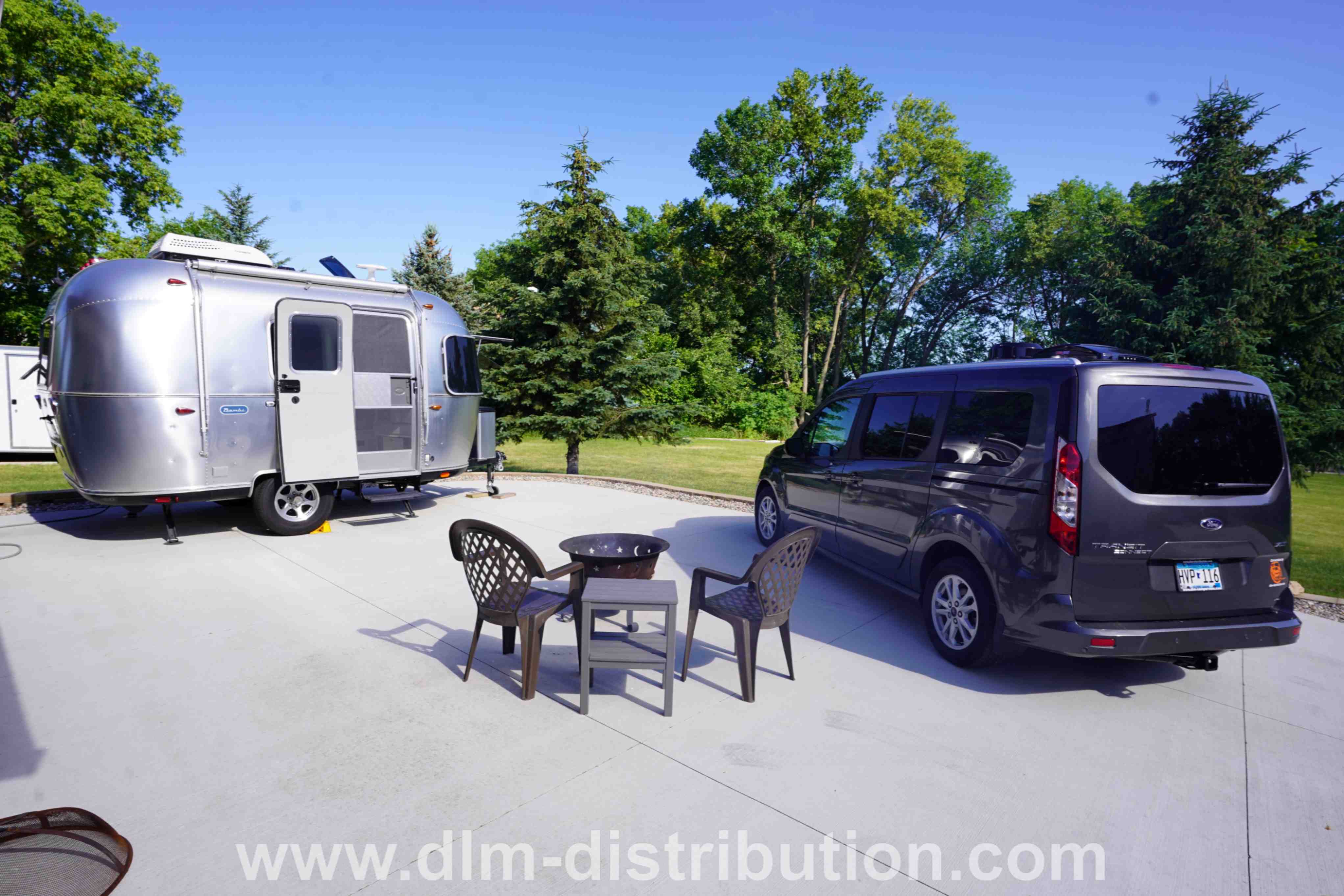
Parking overnight on residential streets without permission is often prohibited and can create frustration for homeowners. Many cities have ordinances that restrict oversized vehicles, overnight parking hours, or non-resident vehicles. Even when signage is not obvious, local regulations may still apply. When in doubt, avoid residential areas unless explicit permission has been granted.
Business Parking Lots
Some large retailers are known for occasionally allowing overnight RV parking, but this varies widely by location and management policy. Never assume permission is implied. Always check directly with store management before settling in for the night. Smaller retail lots are even less likely to allow overnight parking, and unauthorized stays can result in towing or fines.
Emergency Lanes and Breakdown Shoulders
Parking in emergency lanes or highway shoulders is unsafe and illegal unless a true emergency exists. These areas are designed for breakdowns and emergency access, not overnight stops. Visibility is limited, traffic speeds are high, and the risk to both occupants and passing drivers is significant.
Near Beaches, Rivers, and Lakes
Many coastal areas, beaches, and waterfront access points strictly prohibit overnight parking to protect natural resources and prevent pollution. In addition to legal concerns, parking near water carries risks such as rising water levels, unstable ground, and wildlife encounters. Flooding can occur unexpectedly, especially after heavy rain.
Close to Railroads
Parking near active railroad tracks is not recommended. Trains operate at all hours, often without warning, and the noise and vibration can be intense. More importantly, proximity to rail lines can be hazardous due to limited clearance and unexpected train movement.
Remote Areas Without Cell Service
Extremely remote locations without reliable communication can present serious safety risks. Mechanical issues, medical emergencies, or weather changes can quickly become problematic without access to assistance. If choosing a remote location, ensure you have reliable navigation, communication options, and contingency plans.
Clearly Marked No-Parking Zones
Fire lanes, red-curbed areas, loading zones, and restricted access points are never appropriate for overnight parking. These areas must remain clear for emergency response and public safety. Similarly, parking in designated accessible spaces without proper authorization is illegal and unethical.
Private Property Without Permission
Never assume that unused or undeveloped land is open for overnight parking. Private property requires explicit permission from the owner, regardless of how quiet or unoccupied it appears. Unauthorized use can result in fines, towing, or legal issues.
Near Schools, Churches, and Government Buildings
Many public institutions restrict overnight parking for security reasons. Schools, churches, courthouses, and government facilities are often monitored, and unauthorized overnight parking may lead to fines or being asked to leave.
Industrial and Commercial Zones
While industrial areas may appear quiet after business hours, they can be active at night with freight traffic, heavy equipment, or security patrols. These areas often have restricted access, limited lighting, and increased safety risks.
Areas with Safety Concerns
Always consider personal safety when choosing an overnight location. Poor lighting, visible vandalism, or signs of high crime should be treated as warning signs. Trust your instincts and prioritize locations that feel secure and well-maintained.
Choosing Safer Overnight Options
Responsible RV and campervan travel means planning ahead and respecting local communities. Designated campgrounds, RV parks, state and national park campgrounds, and clearly permitted overnight parking areas are always the best choice. These locations provide safer environments, legal clarity, and fewer disruptions.
By understanding where overnight parking should be avoided, travelers can reduce stress, prevent fines, and ensure a more enjoyable and trouble-free journey.