Death Valley National Park: One of America's Most Surprising Road Trips
Death Valley is a place many travelers think they understand before they arrive.
Few national parks are more misunderstood. The name suggests heat, distance, emptiness, and survival. It brings to mind salt flats, desert roads, and a landscape too harsh to welcome much life. Those impressions are not entirely wrong. Death Valley is extreme. It is the hottest, driest, and lowest national park in the United States, and it demands respect from anyone who travels through it.
But that is only part of the story.
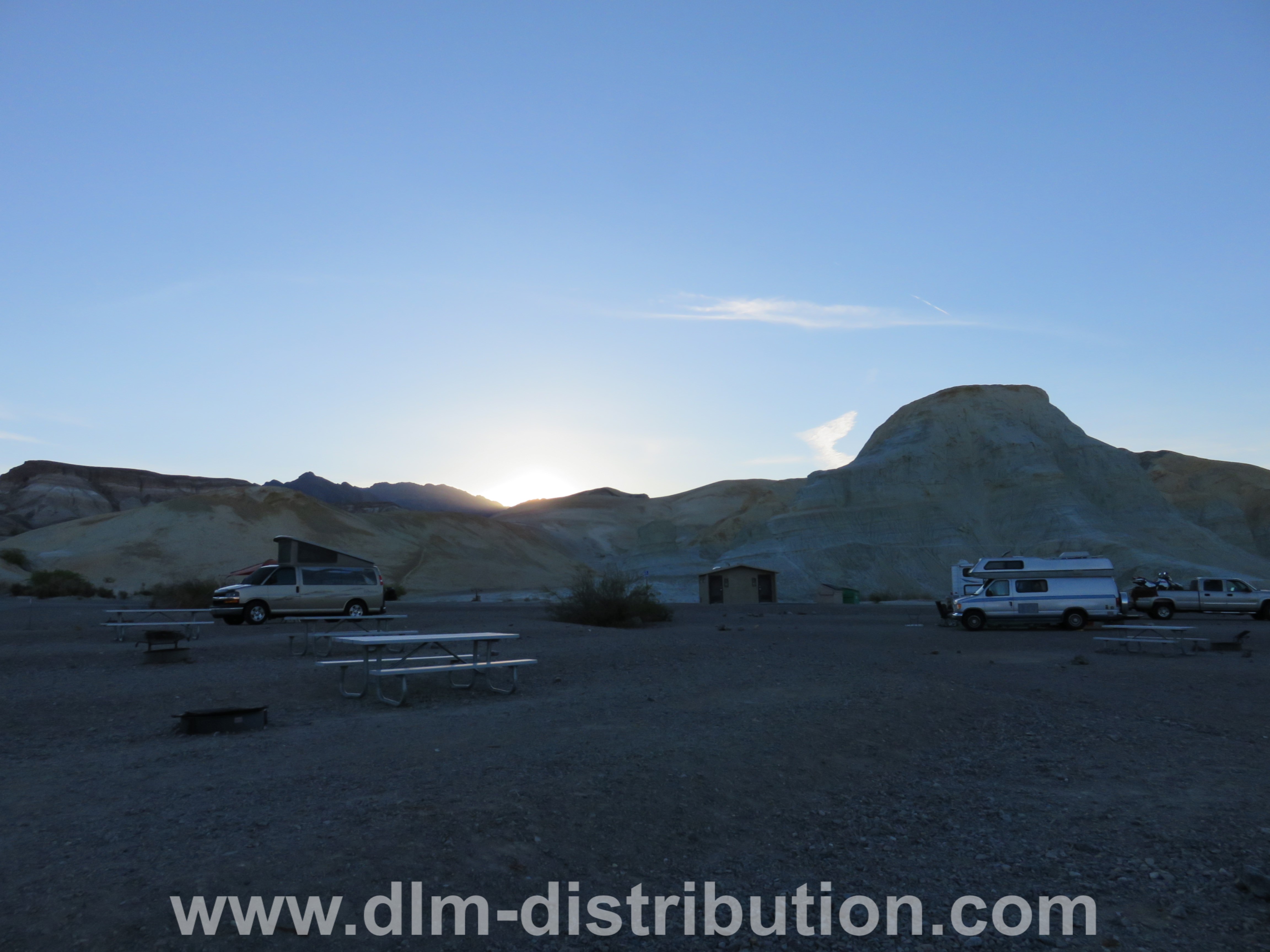
Visitors who spend real time in Death Valley often leave talking about something different. They remember the silence. They remember mountains glowing gold at sunrise, badlands folded into soft colors, salt flats stretching toward the horizon, and scenic roads that seem to pass through one landscape after another. Early morning reveals long shadows and soft desert color, while evening transforms the surrounding mountains into layers of gold, orange, and deep purple before darkness gives way to some of the finest stargazing in the country.
Death Valley is not simply a place to endure. It is a place to slow down, look closer, and allow the desert to reveal itself.

Death Valley Is More Than One Landscape
One of the biggest surprises for first-time visitors is how varied Death Valley really is. Many people imagine one vast desert basin, but the park is far more complex than that. It includes salt flats, sand dunes, colorful badlands, volcanic craters, narrow canyons, dry lake beds, historic mining areas, palm oases, high mountain roads, and peaks that rise more than 11,000 feet above sea level.
That contrast is what makes the park so memorable.
At Badwater Basin, visitors stand 282 feet below sea level, the lowest point in North America. Yet not far away, Telescope Peak rises to more than 11,000 feet. Within the same national park, travelers can experience one of the lowest places on the continent and look toward alpine terrain high above the valley floor.
That vertical relief is difficult to fully appreciate until you see it in person. The valley is not just low. It is surrounded by mountains that give the entire landscape scale, depth, and drama.
Death Valley is not one landscape. It is dozens of landscapes connected by some of the most remarkable roads in the American West.
A Favorite Winter Destination
For many travelers, winter is the best time to visit Death Valley. While much of the country is dealing with snow, ice, short days, and cold weather, Death Valley often offers mild daytime temperatures, clear skies, and excellent conditions for hiking, photography, sightseeing, camping, and scenic driving.
Winter travel changes the way the park feels. Instead of planning around dangerous midday heat, visitors can spend longer hours outside. Morning hikes become comfortable. Scenic drives can unfold at a relaxed pace. Sunsets are easier to linger over. Campgrounds feel active with travelers who have come to enjoy the desert during its most approachable season.
This is one reason Death Valley has become such a memorable winter road trip destination. It offers warmth without feeling tropical, solitude without feeling empty, and outdoor adventure without requiring the long summer days many northern travelers associate with national park travel.
A winter visit might include sunrise at Zabriskie Point, a walk across Badwater Basin, a drive through Artist Drive, an afternoon exploring Mesquite Flat Sand Dunes, and an evening under dark desert skies. None of those experiences need to feel rushed. In winter, Death Valley gives travelers room to stay outside and absorb the place.

Summer Is Different, and That Difference Matters
Summer in Death Valley should never be treated casually. Extreme heat can be dangerous, and visitors need to carry plenty of water, understand the conditions, know their vehicle, avoid risky activity during intense heat, and respect park guidance.
But for experienced desert travelers who understand the risks, summer has its own stark beauty.
The valley becomes quieter. Roads shimmer in the heat. The scale of the landscape feels even larger because there are fewer visitors. Morning and evening take on greater importance. The light is harsher, the shadows sharper, and the feeling of being in one of the most extreme environments on Earth becomes unmistakable.
Summer is not the ideal season for most visitors, especially those hoping to hike on the valley floor. Yet it does reveal a different Death Valley. It is more intense, more silent, and more demanding. For those who can safely handle the conditions, it can be unforgettable for exactly that reason.
The key is respect. Death Valley does not reward carelessness, but it does reward travelers who understand the environment they are entering.
Badwater Basin: Standing at the Lowest Point in North America
Badwater Basin is one of the most famous places in Death Valley, and for good reason. Standing on the salt flats at 282 feet below sea level creates a strange sense of scale. The valley floor is wide, bright, and open, while the surrounding mountains rise dramatically in the distance.
Many visitors come for the sign and the photograph, but Badwater is worth more than a quick stop. Walk out onto the salt flats, and the landscape begins to feel less like a viewpoint and more like another world. The white surface, salt patterns, and surrounding peaks create one of the most distinctive scenes in the national park system.
It is also a reminder that Death Valley is not beautiful in the same way as a forest, lake, or alpine meadow. Its beauty comes from scale, texture, light, and contrast.
Zabriskie Point, Artist Drive, and the Color of the Desert
Death Valley is often imagined in shades of brown and gray, but that assumption disappears quickly at places like Zabriskie Point and Artist Drive.
Zabriskie Point is especially powerful at sunrise. The badlands below seem to change by the minute as light moves across the ridges and gullies. What first appears muted becomes gold, cream, orange, and shadow. It is one of the classic sunrise locations in the American West because it rewards travelers who arrive early and simply watch.
Artist Drive offers another kind of surprise. This scenic route winds through hills colored by mineral deposits, creating soft bands of green, pink, purple, yellow, and red. The most famous stop, Artist Palette, is beautiful, but the entire drive encourages slow travel. It is the kind of place where the road itself becomes part of the experience.
These areas help explain why Death Valley often exceeds expectations. It is not a blank desert. It is a landscape full of color, but the color reveals itself best to those who take their time.
Sand Dunes, Craters, Canyons, and Quiet Roads
Mesquite Flat Sand Dunes are among the most accessible dunes in the park and one of the best places to experience the quiet side of Death Valley. Early morning and late afternoon are especially rewarding, when footprints, wind patterns, and long shadows give the dunes depth and movement.
Ubehebe Crater offers a very different scene. The large volcanic crater feels rugged and raw, a reminder that Death Valley's story is not only about heat and dryness but also geology, eruption, erosion, and time.
Canyon hikes add another layer. Golden Canyon, Mosaic Canyon, and other routes allow visitors to leave the broad valley views behind and enter tighter, more textured landscapes where rock walls, polished stone, and narrow passages reveal the park at walking speed.
This is one reason Death Valley works so well as a road trip destination. Each stop feels distinct. A single day can include salt flats, badlands, dunes, canyons, and mountain overlooks without ever feeling like the same scene repeated.

Look Up: Death Valley's Mountains Are Part of the Story
Many travelers focus so much on the valley floor that they overlook one of Death Valley's greatest features: the surrounding peaks.
The mountains are not just background scenery. They define the park. They shape the light, frame the views, create dramatic elevation changes, and offer hiking opportunities that surprise visitors who think of Death Valley only as a desert basin.
Many visitors spend an entire day looking across the valley floor without realizing the mountains surrounding them tell an equally remarkable story. Snow is not uncommon on the highest peaks during winter, creating one of the National Park System's most surprising contrasts. From salt flats below sea level to high mountain terrain above, few parks compress so much geography into a single landscape.
Dante's View is one of the best places to understand this contrast. From high above the valley, visitors can look down toward Badwater Basin and across the vast floor of Death Valley. The view makes the geography easier to understand. Suddenly the park is not just a collection of stops on a map. It becomes a massive basin surrounded by rugged ranges, with roads and trails threading through a landscape shaped by time, heat, water, wind, and stone.
For travelers with strong hiking ability, the high country adds another dimension. Telescope Peak is the park's highest summit and one of the most remarkable hikes in the region. The hike is strenuous and should be approached with proper preparation, but the reward is extraordinary. From the summit area on clear days, hikers can look across one of the most dramatic elevation contrasts in the United States, with Badwater Basin far below and distant high peaks visible beyond the park.
Reaching the summit after spending time on the valley floor gives hikers a rare perspective. Looking down toward Badwater Basin from more than 11,000 feet above sea level makes the immense scale of Death Valley easier to appreciate than any map ever could.
That experience changes how people understand Death Valley. It is not only the lowest place. It is also a place where a traveler can climb from the desert imagination into high mountain terrain and see the valley from above. Many visitors assume hiking here means only the valley floor, but some of the park's most rewarding routes are found at higher elevations where temperatures can be dramatically cooler than the basin below.

Furnace Creek and the Human Side of Death Valley
Furnace Creek serves as one of the main hubs for many visitors, offering services, lodging, camping access, food, fuel, and a useful base for exploring several major areas of the park. It is also home to the Furnace Creek Golf Course, known for being one of the lowest-elevation golf courses in the world.
Golfing below sea level in Death Valley is the kind of experience that feels almost impossible until you are there. It is not the central reason most travelers visit the park, but it reflects the strange and memorable character of the place. Death Valley constantly reminds visitors that ordinary activities can feel different in an extraordinary setting.
The human history of the area adds depth as well. The Timbisha Shoshone people have deep ties to this land, long before it became known to outsiders as Death Valley. Later stories of gold-seekers, mining, borax, railroads, and desert travel added additional layers to the park's identity. Those histories are worth remembering because they show that this landscape was never simply empty. It has been lived in, crossed, worked, named, misunderstood, and protected over time.
Why a Campervan Fits the Way Death Valley Is Experienced
Death Valley rewards travelers who move slowly and stop often. That is one reason exploring the park in a campervan can feel so natural.
The best moments are not always tied to a major attraction. They may happen while drinking coffee before sunrise, preparing lunch at an overlook, resting during a warm afternoon, or staying out just long enough to watch the last light leave the mountains. In a place this large, comfort and flexibility can change the rhythm of the trip.
Death Valley is not a destination to rush through. It invites travelers to stop often, explore side roads, linger at overlooks, and appreciate how dramatically the landscape changes throughout the day. A thoughtfully equipped campervan simply makes that easier. Coffee can be enjoyed while watching the sunrise. Lunch doesn't require leaving the park. A shaded place to relax during the warmest part of the afternoon can turn into an opportunity to slow down before continuing the journey.
That can matter in a park where distances are large and services are limited. Simple meals become part of the landscape instead of another stop on the itinerary. A comfortable place to sit and rest can make long days more enjoyable. A practical, easy-driving travel vehicle can make scenic roads, overlooks, campgrounds, and visitor areas feel more approachable.
In Death Valley, the ability to remain flexible is part of the experience.

Planning a Safe and Rewarding Visit
Death Valley is beautiful, but it should always be approached with preparation. Distances are long, cell service can be limited, and conditions can change quickly with elevation, weather, and season.
Travelers should carry more water than they expect to need, keep fuel levels in mind, check current park conditions, understand road limitations, and avoid pushing beyond their ability. Summer visitors need to be especially cautious. Even experienced hikers should respect the heat and consider early morning, higher-elevation routes, or cooler seasons for strenuous activity.
Winter, late fall, and spring are generally the most comfortable times for most visitors. Spring may also bring wildflowers in some years, depending on rainfall and conditions. Winter offers the easiest balance of comfortable temperatures, scenic driving, hiking, camping, photography, and relaxed exploration.
The park is not a place to rush. Death Valley is too large, too varied, and too powerful to fully appreciate from a checklist. It is better experienced as a series of moments: sunrise on badlands, a quiet walk across salt, a canyon hike, a high overlook, a desert road, a night sky, and the feeling of being surrounded by more space than most places allow.
Death Valley Changes Expectations
Many visitors arrive expecting heat.
They leave talking about silence.
They expect barren landscapes.
They discover color, texture, elevation, history, and scale.
They expect one famous salt flat.
They find mountains, canyons, dunes, volcanic craters, desert roads, winter warmth, dark skies, and some of the most memorable scenery in the American West.
That is what makes Death Valley such a rewarding road trip destination. It surprises people who are willing to look beyond the name.
Travelers who visit in winter often discover one of America's great cool-season national park experiences. Those who understand and respect the summer heat may find a quieter, more intense version of the same remarkable place. Hikers who look beyond the valley floor may discover that some of Death Valley's greatest views come from above.
The name may sound intimidating.
Death Valley asks visitors to slow down, look farther, and stay a little longer. Those who do often discover that one of America's most intimidating national parks is also one of its most rewarding.
DLM-Distribution / Campervans is a licensed manufacturer and dealer located in Lake Crystal, Minnesota, serving clients around the country.
Contact Dave: 651-285-7089 or Candy: 507-382-9446 today!