
From Big Rigs to Mini-T Campervans: When Easier Ownership Leads to More Travel
There is a difference between wanting to take a trip and getting everything ready to go. For some RV owners, that difference is small. For others, it involves retrieving the motorhome from storage, checking systems that have been sitting unused, arranging a place to park at the destination, and deciding whether the trip is long enough to justify the preparation.
None of that makes a larger RV a poor choice. A motorhome with substantial living space can be a comfortable way to spend weeks at a favorite campground or travel for an extended season. But for people who enjoy moving from place to place, exploring towns along the way, and taking advantage of an unexpected free weekend, the practical details of ownership can shape how often the RV actually gets used.
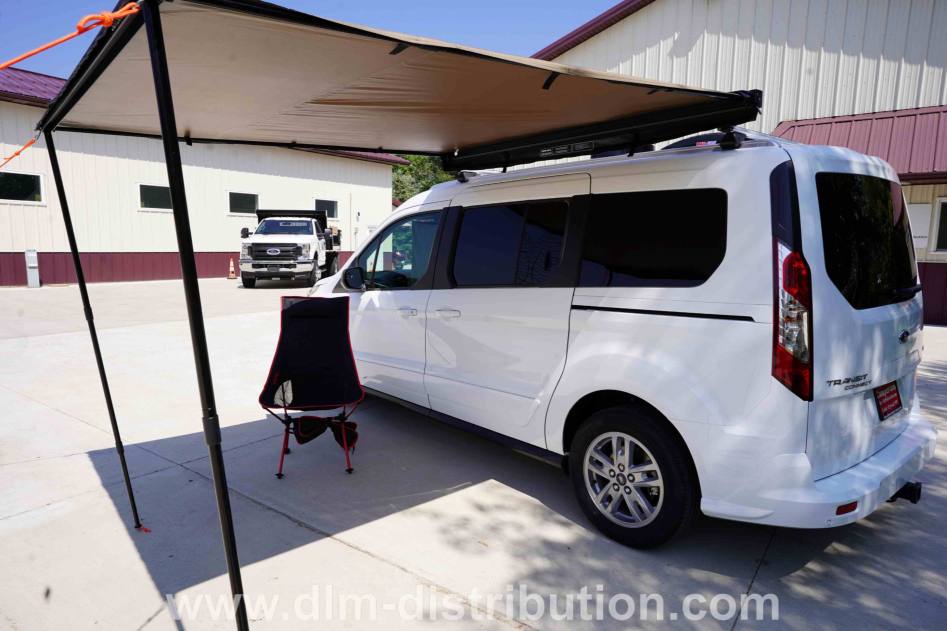
That is the thinking behind the Mini-T Campervan. The goal is not to reproduce every feature of a large motorhome in a smaller vehicle. It is to bring the camping conveniences that matter along in a vehicle that can fit more naturally into the rest of life.
The Trip Begins Long Before You Reach the Campground
Consider an ordinary Friday afternoon. The forecast looks promising, and a state park a few hours away has an available campsite. You could leave the next morning, spend the day hiking, and return home Sunday evening.
Whether that sounds easy or exhausting may depend as much on the RV as it does on the destination.
When a campervan is kept at home and ready to use, packing can happen a little at a time. Groceries go into the refrigerator, clothes and supplies are already familiar, and the vehicle is close enough to prepare without making a separate trip to a storage facility. With the smaller, garageable Mini-T models, keeping the campervan at home may be possible when the garage dimensions and community rules allow it.
The advantage is not that every trip becomes effortless. It is that fewer arrangements may stand between the idea of going somewhere and actually leaving.

A Larger RV and a Mini-T Offer Different Kinds of Comfort
Large motorhomes have advantages that become particularly apparent when the destination is the main event. Additional interior living space, larger bathrooms, more room for guests, and the ability to settle into a campsite for an extended stay can make a substantial difference. If the plan is to spend a month in one place, those features may be central to the experience.
A Mini-T approaches comfort differently. It gives travelers a familiar bed, refrigeration, microwave capability, storage, and a house electrical system without requiring them to bring a much larger vehicle along. The smaller models are particularly well suited to trips where the days are spent outside the campervan: walking through a historic district, visiting a national park, stopping at a local market, or following a scenic road to the next destination.
The tradeoff is real. A smaller campervan does not provide the same interior room as a large motorhome. The Ford Transit-based Mini-T HR offers standing room and more interior space, but its greater size also changes parking and storage considerations. Choosing a campervan means deciding which kind of comfort matters most during the trips you actually take.

What Changes When the RV Is Also Practical Transportation?
A road trip rarely consists of highway driving and campground arrivals alone. There are groceries to buy, towns to explore, trailheads to reach, and places that look interesting enough to justify an unplanned stop.
Those ordinary parts of travel can feel different in a smaller vehicle. The Ford Transit Connect, Chrysler Pacifica, and Chrysler Voyager Mini-T models fit in standard parking spaces and can be practical for everyday driving. You can leave the campground in the same vehicle you slept in and continue exploring without needing a separate car.
That does not mean every road, parking garage, or destination is accessible. Clearance limits, parking regulations, road conditions, and the dimensions of the specific campervan still matter. But a vehicle suited to ordinary streets and parking spaces can make it easier to include the places between major destinations in the trip.
Sometimes those places become the reason you remember it. A scenic overlook turns into a longer stop. A town you intended to drive through becomes the place you have lunch. You find a walking trail you did not know existed. The day changes, and there is room to enjoy the change.
The Cost of Ownership Does Not Stop When the Trip Ends
Purchase price is only one part of the RV decision. Insurance, registration, maintenance, fuel, campground fees, and storage all contribute to the cost of ownership. The amount depends on the vehicle, how it is used, and the owner's circumstances.
For some households, a garageable Mini-T may eliminate the need for a separate RV storage arrangement. It may also be useful for everyday transportation rather than sitting unused between vacations. Those possibilities can affect the ownership equation, although they should not be treated as guaranteed savings for every buyer.
Fuel economy also varies across the Mini-T lineup. Ford Transit Connect models have offered approximately 24–28 MPG under suitable driving conditions, while the Chrysler and Ford Transit-based models have their own fuel-economy characteristics. The right comparison considers the specific vehicle and the full cost of the trips you expect to take, not a single mileage figure.
There is another cost that is harder to put on a spreadsheet: the time and effort required to use what you own. A campervan that fits your routine may be one you are more inclined to take out for a short trip instead of saving every outing for a major vacation.
Small Does Not Have to Mean Giving Up Useful Capability
One reason travelers consider a Mini-T is that its smaller footprint does not require them to give up the camping conveniences they use most often. Having a bed, refrigerator, microwave, and storage along changes the experience of a road trip. Breakfast can happen at the campground. Lunch can be packed before a hike. At the end of the day, your accommodations are already waiting.
The Mini-T's house electrical system also provides off-grid 120V capability for appropriate equipment, including the microwave, without requiring a generator. Batteries store energy, solar can contribute when sunlight permits, and charging while driving or connecting to shore power offers additional options. Available power remains finite and depends on battery capacity, usage, and charging conditions.
These features are not about recreating a house on wheels. They are about having enough of the familiar conveniences along to spend more time enjoying the places you came to visit.
The Right RV Depends on What Happens After You Arrive—and Before You Leave
If your favorite way to travel is to establish a comfortable base for several weeks, a larger motorhome may offer exactly the room and amenities you want. If your trips involve frequent stops, sightseeing, and shorter opportunities to get away, the smaller Mini-T models offer a different balance. If standing room is important but you still want the campervan approach, the Mini-T HR deserves its own consideration.
There is no need to turn those differences into a contest. The useful question is how an RV fits the entire experience: preparing for the trip, driving to the destination, spending time there, returning home, and getting ready to go again.
For many travelers, the appeal of a Mini-T is found in the ordinary moments. It is being able to keep the campervan close by, leave without an elaborate plan, and pull into a town or park without feeling that the vehicle dictates the entire day.
A free weekend will not always become a road trip. But when the weather is right, the calendar opens up, and somewhere you have wanted to visit suddenly feels within reach, an RV that is easy to own and use gives you one less reason to stay home.
Happy Travels & Happy Camping!
DLM-Distribution / Campervans is a licensed manufacturer and dealer located in Lake Crystal, Minnesota, serving clients around the country.
Contact Dave: 651-285-7089 or Candy: 507-382-9446 today!