
Choosing a Class B motorhome involves more than comparing interior features or deciding how much living space you want while camping. The best campervan for one traveler may not be the right choice for another. Driving comfort, fuel economy, storage requirements, electrical capability, and everyday usability all influence which RV provides the most satisfying travel and ownership experience.
Some travelers prefer a larger high-roof Class B motorhome with standing room and additional amenities, while others value a compact vehicle that is easy to drive, park, and store without giving up comfortable accommodations for overnight travel. The Mini-T Campervan, manufactured by DLM-Distribution, offers a practical approach that combines transportation, camping accommodations, and efficient use of space in one vehicle.
Understanding What Makes a Class B RV Practical
Class B motorhomes are recreational vehicles built within van-style bodies, providing both transportation and camping accommodations without requiring a separate trailer. However, Class B motorhomes vary considerably in size, design, and intended use. Some are built on full-size commercial van platforms with high roofs, extended lengths, and substantial interior equipment. Others use smaller vehicle platforms to provide essential camping conveniences while retaining dimensions closer to those of everyday passenger vehicles.
Neither approach is inherently superior. A larger campervan may offer more interior living space, while a smaller model can provide meaningful advantages in parking, maneuverability, fuel consumption, and storage. These differences matter because the campervan must be driven, parked, maintained, and stored throughout its ownership, not simply enjoyed while camping.
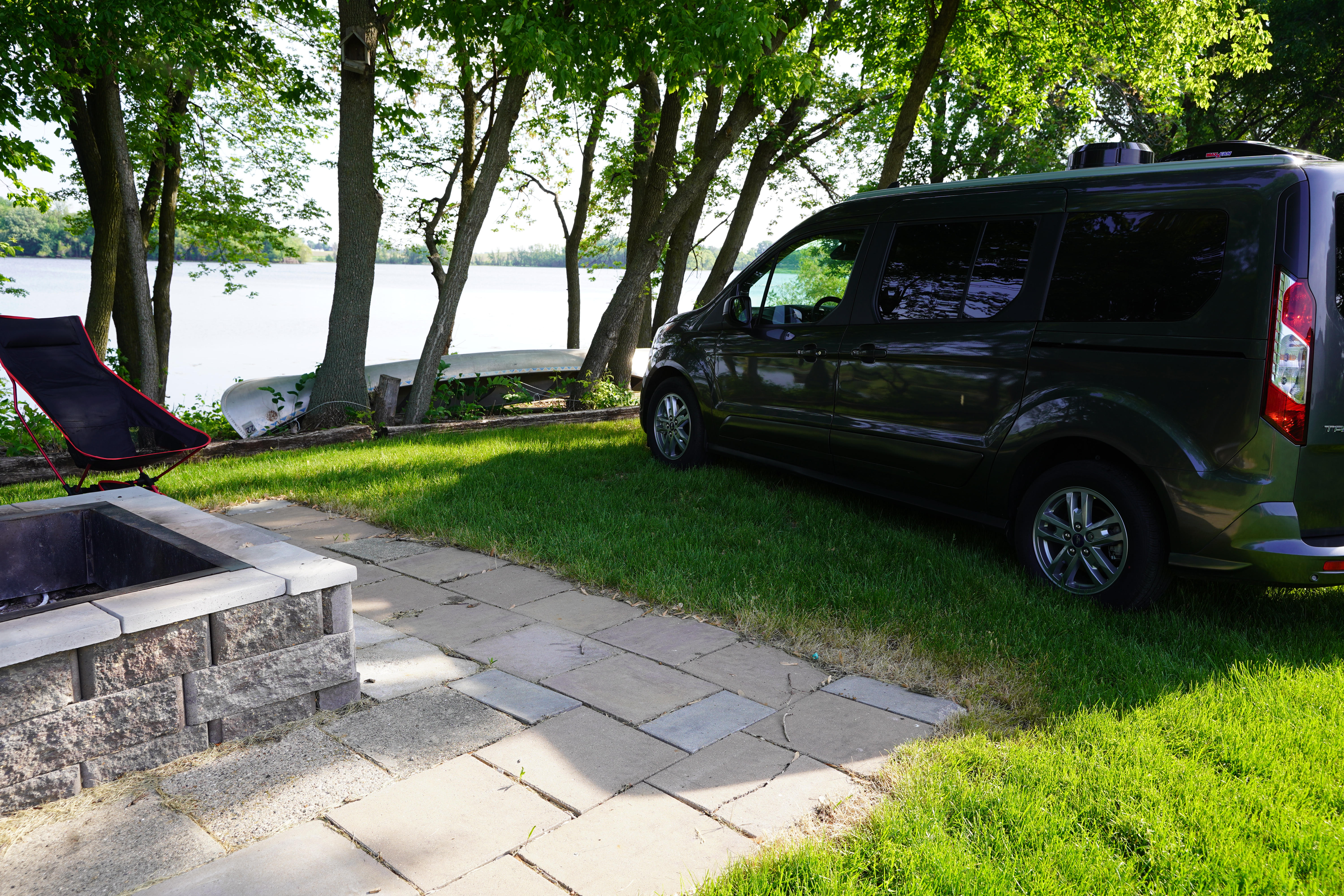
One of the most noticeable advantages of a compact Mini-T Campervan is how naturally it fits into ordinary driving situations. Whether visiting a national park, exploring a small town, stopping for groceries, or navigating an unfamiliar campground, a smaller vehicle can simplify everyday travel decisions. Mini-T Campervans built on the Ford Transit Connect, Chrysler Pacifica, and Chrysler Voyager platforms retain dimensions that make them practical for many parking areas and roadways commonly used by passenger vehicles.
This convenience becomes particularly valuable during extended trips when sightseeing involves frequent stops. Rather than leaving a larger motorhome at a campground and arranging separate transportation, travelers can use their compact campervan for exploring during the day and comfortable overnight accommodations afterward. Parking restrictions, vehicle clearances, road conditions, and campground rules still need to be considered, but compact dimensions can make the overall travel experience less complicated.
Residential Garage Storage: An Important Ownership Advantage
One of the most significant differences between compact Mini-T Campervans and many larger Class B motorhomes becomes apparent after returning home. Full-size high-roof campervans frequently require outdoor parking, a specialized garage, or commercial RV storage. Depending on local regulations and neighborhood rules, keeping a larger recreational vehicle at home may not always be practical.
The Ford Transit Connect, Chrysler Pacifica, and Chrysler Voyager Mini-T models have exterior heights of approximately 80 inches and are designed to fit inside many residential garages with seven-foot doors. This garage storage advantage can eliminate the need for rented RV storage, reduce exposure to weather, and keep the campervan readily accessible for planned trips or spontaneous outings.

Indoor storage may also help address certain neighborhood parking concerns, although homeowners association rules vary and garageability does not guarantee approval under every association's requirements. Actual garage dimensions, door hardware, driveway approach, and vehicle clearance should always be checked before purchasing.
The larger Ford Transit-based Mini-T HR takes a different approach, offering additional interior space, standing-height accommodations, and equipment intended for extended travel. Its approximately 10-foot exterior height means it is not suitable for conventional residential garage storage, but it provides an alternative for travelers who place greater importance on interior room than compact vehicle dimensions.

Fuel Economy, Comfort, and Travel Convenience
Fuel consumption is an important consideration for travelers who enjoy covering substantial distances. A difference of several miles per gallon can influence the expense of a cross-country journey, particularly when traveling thousands of miles annually. The Ford Transit Connect Mini-T has historically offered EPA fuel economy estimates of approximately 24 to 28 MPG, depending on model year. The Chrysler Pacifica AWD Mini-T is based on a vehicle with EPA estimates of approximately 17 to 25 MPG for city and highway driving.
Actual fuel economy varies with vehicle loading, road conditions, speed, weather, and driving habits. These figures are reference points rather than guarantees of real-world campervan mileage. Larger Class B motorhomes often carry additional weight and have taller bodies, which can affect fuel consumption, although comparisons should always be made between specific vehicles rather than assuming every compact campervan will outperform every larger model.
Comfort is equally important, and a compact campervan does not need every amenity found in a large motorhome to support enjoyable travel. The garageable Mini-T models provide sleeping accommodations for two, refrigeration, a microwave, sink, ventilation, privacy features, and electrical equipment designed to support both campground stays and travel away from electrical hookups.
Solar-assisted charging, dedicated house batteries, and inverter-supported 120-volt power allow travelers to operate conveniences such as the microwave without requiring a generator. Shore power remains available when desired, while alternator charging helps replenish house battery energy during travel. Together, these systems provide practical camping capability without requiring the larger vehicle footprint associated with many traditional motorhomes.
There are tradeoffs to consider. Compact Mini-T models do not provide standing-height interiors, built-in showers, or the extensive living space available in some larger Class B RVs. Travelers who place a high priority on those features may prefer a larger motorhome. The Mini-T HR offers another option within the Mini-T lineup, providing standing-height accommodations, additional equipment, and greater interior space for extended journeys. The important consideration is selecting accommodations that match how you actually intend to travel rather than assuming that more equipment always produces a better experience.
One Vehicle for Everyday Driving and Recreational Travel
For some households, one of the most compelling reasons to choose a compact campervan is the possibility of using it for more than camping. A garageable Mini-T can serve as transportation for errands, appointments, visits with family, and ordinary daily activities while remaining equipped for weekend getaways or longer road trips.
This flexibility may allow a household to replace an existing passenger vehicle rather than maintain a separate recreational vehicle alongside its everyday transportation. When that replacement actually occurs, it can reduce duplicated ownership expenses such as insurance, registration, maintenance, and depreciation. These savings should not be assumed if the household retains all its existing vehicles, but the potential to combine two purposes in one vehicle is worth considering.
The benefit is not entirely financial. Having a campervan readily available can make it easier to take an unexpected scenic drive, visit a state park, spend a weekend with family, or extend an ordinary outing into an overnight trip. For travelers who value that flexibility, everyday usability can be just as important as interior amenities.
Looking Beyond the Purchase Price
Comparing Class B motorhomes solely by purchase price can overlook some of the most important ownership considerations. Insurance, maintenance, fuel, depreciation, financing, registration, and storage all contribute to the total cost of owning a campervan. These expenses vary according to vehicle size, value, driving mileage, equipment, and individual circumstances.
A larger Class B may justify its additional expense for travelers who want more interior space or spend extended periods living in their RV. A compact campervan may provide a better financial and practical fit for someone who values garage storage, everyday driving, and fuel efficiency. The most useful comparison is one that reflects the buyer's actual travel plans rather than generalized assumptions about which type of motorhome offers the best value.
To help travelers evaluate these differences, DLM-Distribution offers a free RV & Vehicle Cost of Ownership Calculator. The tool allows users to compare ownership expenses using adjustable estimates based on their own vehicles, mileage, storage arrangements, and travel plans. It provides a way to explore the financial differences between RV types while considering how each vehicle would fit into everyday life.
Finding the Right Class B RV for Your Travel Plans
The Mini-T Campervan is not intended to replace every type of recreational vehicle. Its appeal comes from providing a particular combination of driving practicality, camping capability, and ownership convenience. For travelers who enjoy national parks, scenic highways, small towns, and frequent stops along the way, a compact campervan can make exploring easier. For those with limited RV parking options, residential garage storage can be a substantial advantage. And for households seeking to combine recreational travel with everyday transportation, the garageable Mini-T models offer an approach that differs from traditional motorhome ownership.
Travelers who prefer additional interior space and standing room may find the Mini-T HR or another larger Class B motorhome more suitable. Each vehicle design serves a different purpose, and choosing between them should begin with where you want to go, how often you plan to travel, which amenities matter most, and how the vehicle will fit into your life when you are not camping.
There is no single Class B motorhome that is best for everyone. A campervan that provides exceptional comfort for extended stays may be less convenient for everyday driving or home storage, while a compact campervan that excels at sightseeing and spontaneous trips may not provide the interior space another traveler considers essential.
For travelers who value a compact, easy-to-drive RV with comfortable accommodations, off-grid electrical capability, and the possibility of residential garage storage, the Mini-T Campervan offers a distinctive combination of practical advantages. The best choice is ultimately the vehicle that supports the experiences you want to have while making ownership manageable when the journey is over.
To explore the available models, visit the Mini-T Campervan inventory at DLM-Distribution for current vehicles, photographs, equipment, and specifications.
Happy Travels & Happy Camping!

DLM-Distribution / Campervans is a licensed manufacturer and dealer located in Lake Crystal, Minnesota, serving clients around the country.
Contact Dave: 651-285-7089 or Candy: 507-382-9446 today!