
NEWS
Are Campervan Awnings Worth It? What RV Owners Should Know
One of the most popular accessories for campervans and small RVs is the awning, sometimes referred to as an RV canopy. While often viewed as a simple add-on, an awning can significantly improve the overall camping experience by creating a more comfortable outdoor living space around your campervan.
For many travelers, the ability to step outside and relax beneath shaded cover quickly becomes one of the most appreciated features during camping trips, especially during warmer weather or light rain.
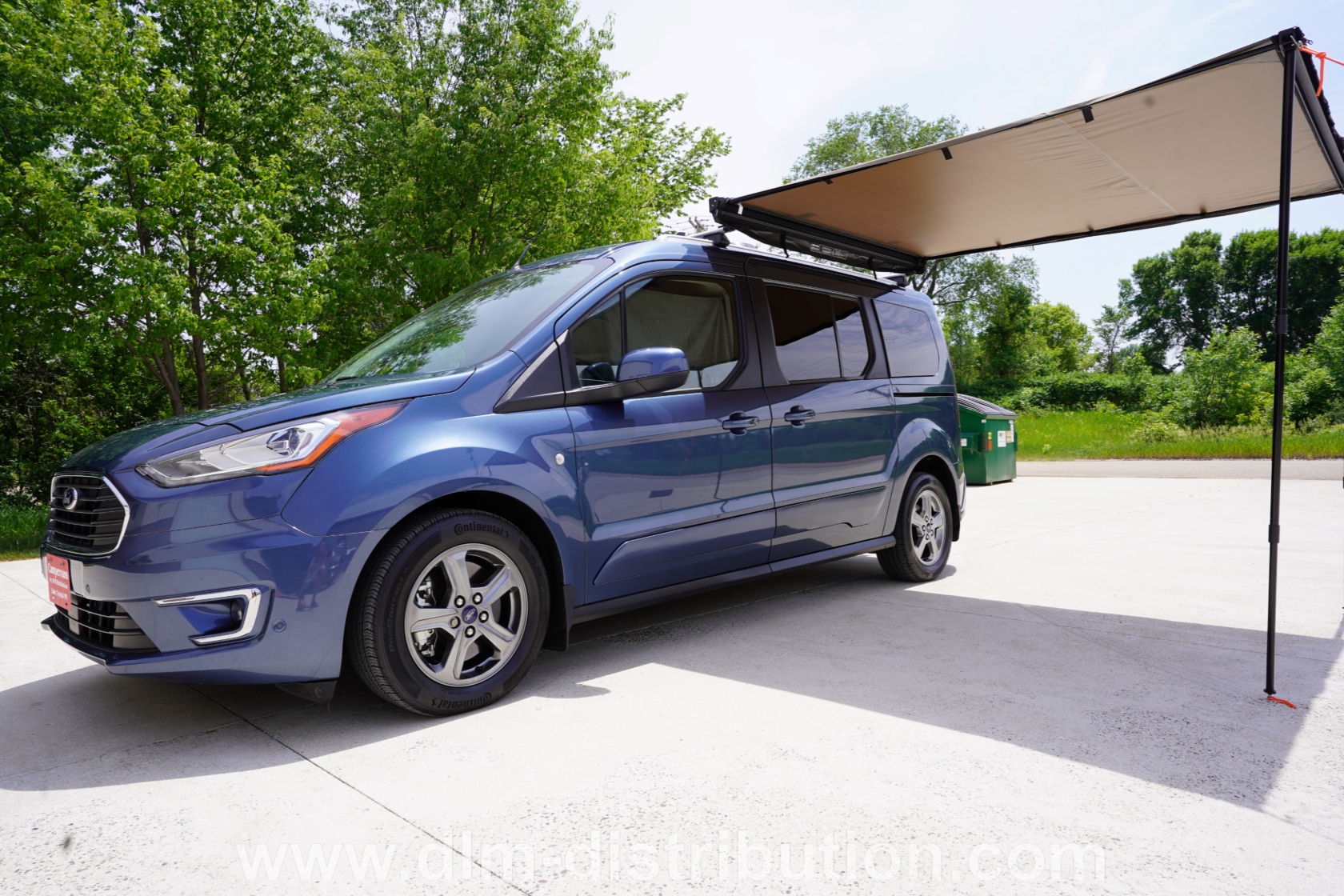
What Is a Campervan Awning?
A campervan awning is a retractable canopy mounted to the side of the vehicle. Most awnings use durable weather-resistant fabric supported by a lightweight frame system that extends outward to create a covered outdoor area.
Depending on the design and size, an awning can provide shade, weather protection, and additional usable space beside the campervan. Some owners use the area for outdoor dining, relaxing in camp chairs, cooking at a picnic table, or simply enjoying time outside while remaining protected from direct sun exposure.
The Benefits of a Campervan Awning
Expanded Outdoor Living Space
One of the biggest advantages of an awning is the way it extends the usable living area outside the campervan. Even compact campervans can feel significantly larger when outdoor space becomes part of the camping setup.
Many campers spend most of their waking hours outside anyway, making the shaded area beside the campervan one of the most frequently used spaces at camp.
Shade During Hot Weather
On sunny summer days, an awning can make a major difference in comfort. Shade helps reduce heat buildup inside the campervan while also creating a cooler place to sit, relax, or eat outdoors.
For travelers visiting state parks, national parks, lakeside campgrounds, or open prairie environments, having immediate shade available can greatly improve the camping experience.
Protection from Light Rain and Morning Dew
While awnings should never be relied upon during storms or heavy weather, they do provide useful protection during light rain or damp mornings. Being able to sit outside with a cup of coffee during a passing drizzle often becomes one of those small camping comforts owners appreciate most.
Added Appeal and Resale Value
A quality awning is also viewed as a desirable feature by many campervan buyers. Because awnings are among the most commonly requested campervan accessories, they can help increase overall appeal and usability when it comes time to sell or trade in the vehicle.
Important Limitations and Real-World Considerations
Wind Can Damage Awnings Quickly
One of the most important things campervan owners need to understand is that awnings are highly vulnerable to wind damage. Sudden gusts can bend support arms, twist hardware, or even rip the awning from the vehicle if left unattended.
Because of this, awnings should always be retracted during strong wind, storms, or whenever leaving the campsite unattended.
Heavy Rain Can Cause Problems
Awnings are designed primarily for shade and light weather protection — not severe rainstorms. Heavy rain can allow water to pool on the fabric, creating excess weight and potential stretching or damage.
Proper setup angle and careful monitoring become important during wet conditions.
Some Maintenance Is Required
Like most RV equipment, awnings require occasional maintenance and care. Fabric should be allowed to dry before storage whenever possible to help prevent mildew and premature wear. Cleaning debris and inspecting moving parts periodically also helps extend awning life.
Are Awnings Worth It?
For many campervan owners, the answer is yes.
While an awning may not be used during every camping trip or every stop along the way, it often becomes one of those features that owners are especially thankful to have when conditions are right.
The additional comfort, shade, and outdoor usability can make campsites feel more relaxing and enjoyable without adding significant complexity to the campervan itself.
For Mini-T Campervan owners, awnings continue to be one of the most popular optional features because they complement the flexible outdoor-oriented travel style that makes compact campervans so enjoyable.
Like many camping accessories, an awning is not something you absolutely need every day — but when you do want it, having it available can make a noticeable difference in the overall camping experience.
Happy Camping!
View current Mini-T Campervan inventory and available campervans here.
DLM-Distribution / Campervans is a licensed manufacturer and dealer located in Lake Crystal, Minnesota, serving clients around the country.
Contact Dave: 651-285-7089 or Candy: 507-382-9446 today!