
Thinking About Leaving a Car at Your Winter Home? Here's Another Idea Worth Considering
For many seasonal homeowners, there comes a point when the annual cross-country drive no longer feels quite the way it once did. The destination is still as appealing as ever—the familiar neighborhood, favorite restaurants, golf courses, beaches, hiking trails, and friends all continue to make the season worthwhile. What begins to change is not the destination, but the long drive required to get there.
After years of spending several days crossing the country each fall and spring, flying starts to look increasingly attractive. That often leads to another practical decision: leave a vehicle at the winter home so transportation is already waiting when the plane lands.
For many people, a second car is exactly the right answer. But before buying one, there is another question worth considering: Do you simply want transportation waiting for you, or would you also like the ability to travel once you arrive?
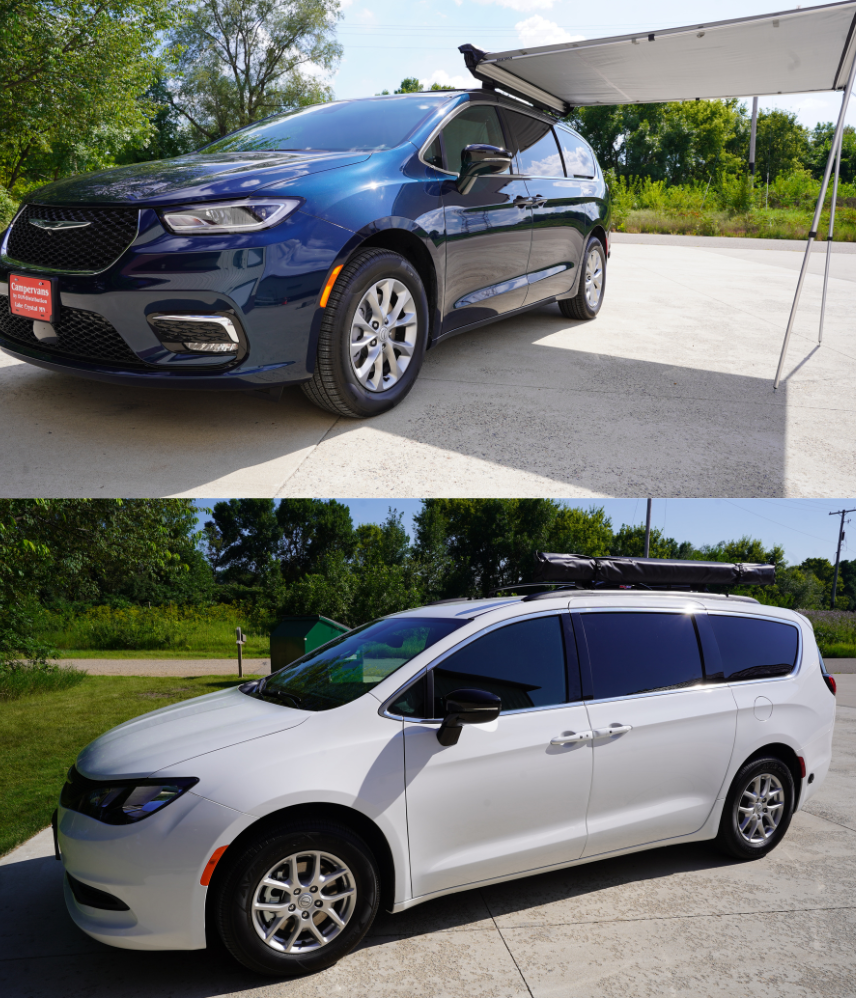
Transportation or Travel?
A car handles the everyday needs of seasonal living beautifully. It gets you from the airport to your home and takes care of grocery shopping, doctor appointments, dinners with friends, golf, church, errands, and everything else that becomes part of a normal week. If that is all you need from the vehicle, there may be little reason to look beyond a conventional car.
But seasonal living can create something else: time to explore. Once the suitcases are unpacked and the familiar routine settles in, there may be an open weekend for the Gulf Coast, a state park a few hours away, a scenic mountain road, or one of those places you have passed signs for year after year and always wondered about.
That is where the choice of vehicle begins to matter differently. A second car provides transportation, but a small campervan can provide everyday transportation while also making those short trips and spontaneous overnights considerably easier.

When the Vehicle Waiting at Home Can Do More
One of the interesting characteristics of a smaller Class B campervan is that it does not have to sit on the sidelines until the next camping trip. A properly sized campervan can handle many of the same everyday driving duties as the vehicle it replaces while adding a completely different capability when there is somewhere you would like to go.
A free weekend no longer has to begin with finding a hotel or assembling camping equipment. You can leave after lunch, spend the afternoon exploring, stay overnight, and continue the next morning. The same vehicle used for errands during the week can become a comfortable travel base when an opportunity appears.
For people who still enjoy exploring but no longer enjoy making the same multi-day interstate drive twice every year, this can be an appealing balance. Flying solves the repetitive long-distance portion of the journey without necessarily giving up the road trips that made travel enjoyable in the first place.
Seasonal Living Makes Garageability Especially Valuable
Where the vehicle stays when you are not at your seasonal home deserves just as much thought as how you will use it when you are there. Many seasonal properties are located in neighborhoods or HOA communities, and rules regarding outdoor RV parking can vary considerably from one community to another. A larger motorhome may also require a separate storage facility simply because it cannot fit at the property.
A garageable campervan changes that equation. Where the home's garage dimensions and community rules allow, the campervan can be stored inside just as another household vehicle would be. That keeps it out of prolonged sun and weather exposure and, just as importantly, means the vehicle can be waiting at the house rather than at an off-site RV storage facility.
For seasonal owners who may be away for six months at a time, that simplicity can matter. The vehicle does not need to be large to make travel possible; it needs to fit the way its owners actually live.

Your Winter Home Can Become a Starting Point
One of the overlooked advantages of seasonal living is geography. A winter home is not merely a destination at the end of a long drive; it can become a starting point for an entirely different collection of trips.
Someone spending the winter in Florida may suddenly have the Gulf Coast, the Keys, springs, state parks, wildlife refuges, historic towns, and national seashores within reach. A seasonal home in Arizona can open the door to desert landscapes, mountain towns, national forests, and the Southwest. The same principle applies anywhere people establish a second home for part of the year.
These trips do not need to become major vacations. Some of the most enjoyable may be one or two nights away—a place discovered through a conversation with a neighbor, a scenic road noticed on a map, or a campground visited simply because the weather looks good that weekend.
It is surprisingly easy to spend an entire season following the same comfortable routine, and there is certainly nothing wrong with doing so. But for people who remain curious about what is around the next corner, having a travel-ready vehicle at home makes it much easier to act on that curiosity.
Think About the Vehicle as Part of the Lifestyle
There is no single right answer for what should be waiting in the garage when you arrive at a seasonal home. For some people, a conventional car is exactly what they need. For others, the decision becomes more interesting when they realize that the vehicle can handle everyday transportation and still provide a place to sleep, prepare a simple meal, carry travel gear, and spend a night away from home.
That is particularly relevant for travelers who are not giving up travel at all—they are simply ready to give up one repetitive part of it. There is a significant difference between deciding that you no longer want to drive 1,500 miles to reach your winter home and deciding that you no longer want to explore.
A smaller campervan can separate those two decisions. Fly across the country when that makes life easier, then keep the freedom to take the road when the road is still the part you enjoy.

A Different Question to Ask Before Buying the Second Car
If you are considering flying to your seasonal home instead of driving, it may be useful to look at a map before deciding what vehicle to leave there. Draw a comfortable day's-drive radius around your winter home and see what falls inside it. You may find places you have wanted to visit for years, along with others you have never considered.
Then the question becomes less about whether you need another car and more about what you would like that vehicle to make possible.
The long drive between your northern and southern homes may eventually become something you are happy to leave behind. The desire to see what lies a little farther down the road does not have to go with it.
DLM-Distribution / Campervans is a licensed manufacturer and dealer located in Lake Crystal, Minnesota, serving clients around the country.
Contact Dave: 651-285-7089 or Candy: 507-382-9446 today!